Hour 0–2: lock the official record
Call from the scene if you can. Riverside Police on city streets — Magnolia, University Avenue, the downtown civic blocks, Van Buren. The California Highway Patrol on the 91, the 60, or the 215. This is not only about catching them. UM hit-and-run coverage typically requires a prompt police report as a coverage condition. Same-day reporting closes the insurer’s favorite exit before they find it.
Write down everything you saw while it is still sharp: color, body style, partial plate, direction of flight, a missing hubcap, a broken lamp. Memory degrades fastest in the first night. Your notes tonight outrank your memory next month.
Get medically checked the same day even if you “walked it off.” Adrenaline after a flight is its own anesthetic. A note at RCH, Parkview, or Kaiser starts the injury record the UM claim will need.
Hour 0–24: what the fled driver left behind
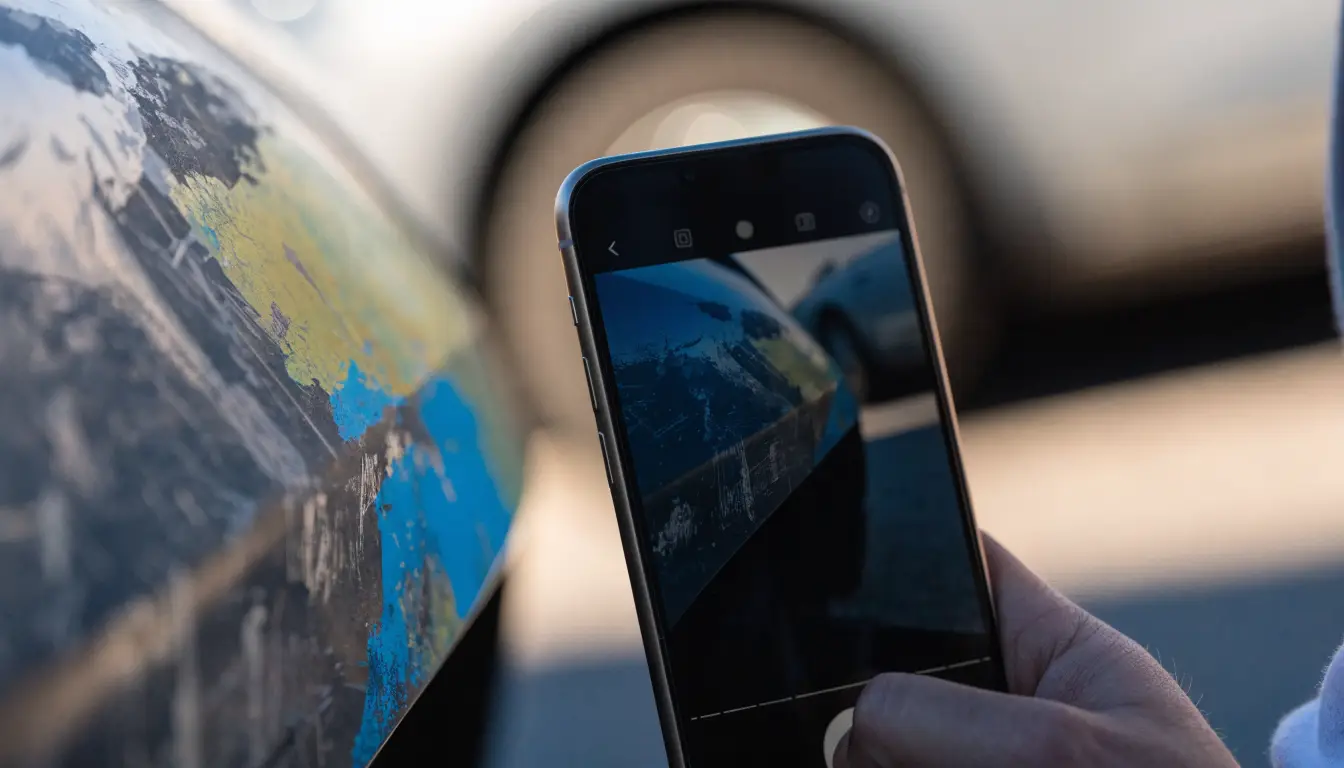
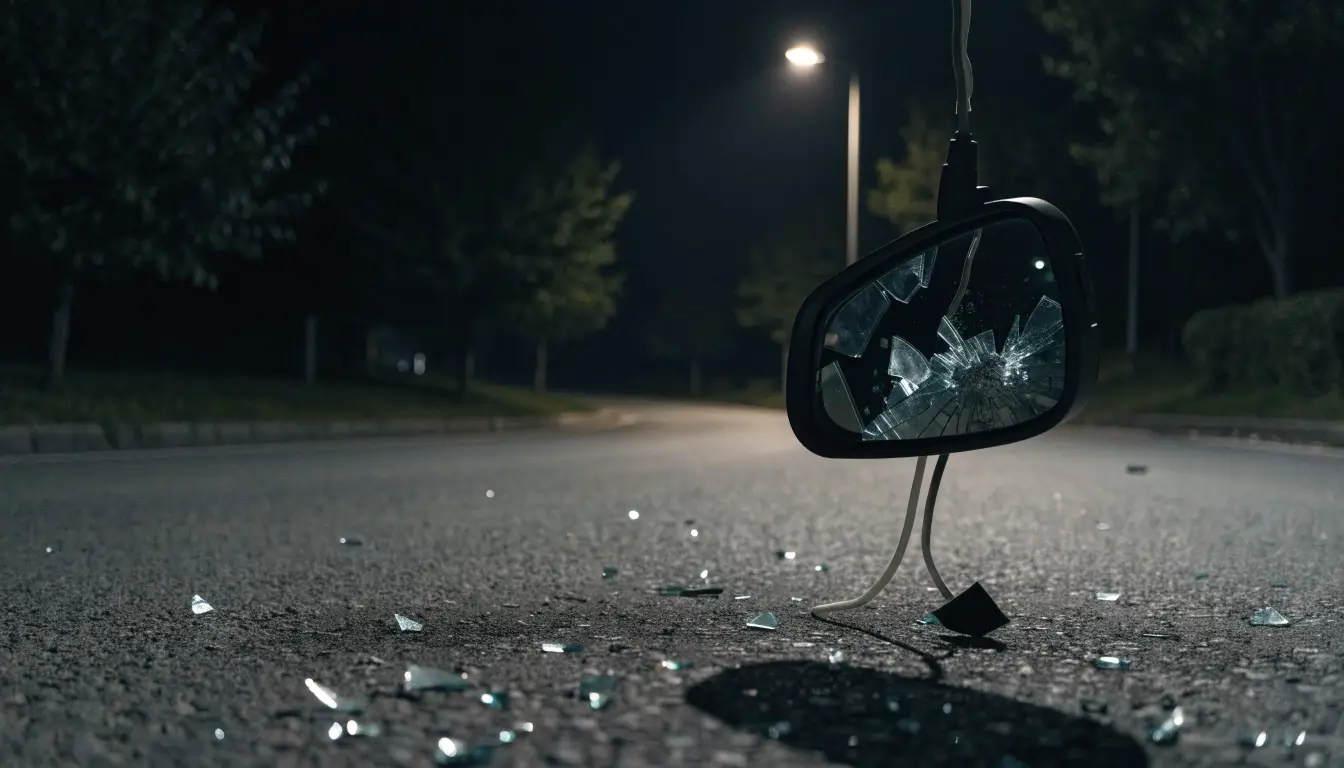
Paint transfer on your panels. Their debris on the asphalt — photograph it in place before Public Works or a sweeper takes it. Broken trim and lamp fragments carry part numbers. Do not repair your car until it is fully documented. Your bumper is a witness.
Then the canvass. Downtown is a watched grid: hotels near the convention center, lots around the Hall of Justice, Marketplace cameras, storefront corners on Mission Inn Avenue. Magnolia businesses and University Avenue shops face the same intersections riders and commuters already know. Footage identifies fled drivers more often than people expect and cycles in days.
The full evidence list is its own page: what a hit-and-run file actually needs. Day one is yours by necessity. Preservation letters are week-one attorney work.
Day 1–2: turn to your own coverage
Never found? Your UM coverage steps into the fled driver’s shoes — medical bills, lost wages, pain and suffering, the same categories their insurer would have owed. Notify your carrier plainly that a hit-and-run occurred. Then read how UM and UIM actually work, because conditions matter and your insurer now sits across the table.
Roughly one in six California drivers is uninsured. When the fled driver is later found, half the time they still have no insurance — back to UM anyway. Flight is evidence. It is not a payment source.
Do not assume a property-only claim is the whole story. Injury UM is a different file, with a different value, and a recorded statement to your own carrier still needs to stay factual — no speed guesses, no “I’m fine.”
If the driver is found — and if they are not
Identified and insured: the liability claim proceeds, and the flight is damning evidence of consciousness of fault. Identified and uninsured: UM again. Never identified: UM still, if the report and the scene evidence prove a hit-and-run happened. You do not need a name to open that claim. You need a prompt report and a file.
Wondering whether police will actually chase it? The honest triage answer is here. Injury cases get attention. Property-only cases often get a report number. Your civil claim does not wait on their detective’s caseload.
How this plays out on the 91, Magnolia, and the civic grid
Freeway flight: CHP owns the road. Partial plates at night on the 215 are common. Do not chase. Get to a safe shoulder, call, and write the direction of travel — toward March, toward downtown, toward the 60. Arterial flight on Magnolia or Van Buren: more cameras, more cross streets, more chances a doorbell caught the lamp out. Downtown flight: courthouse-area lots and hotel drives are the first doors to knock. Same 48-hour urgency. Different canvass map.
If you were taken to RCH, ask a friend or family member to photograph the car before the lot moves it. Paint transfer does not wait for your discharge. If you drove home to Arlanza or La Sierra on adrenaline, photograph the car in the driveway before anyone washes it. Water is how transfer evidence disappears.
UM notice can be a short factual sentence: date, time, street, “the other driver left the scene,” report number. Do not add a novel. Do not guess a speed. Then stop talking until you know whether you want counsel on the UM side. Your own carrier is still a counterparty.
Week one is the hiring window because the cameras are the hiring window. (909) 233-7999.
If a neighbor already “knows who it was,” do not drive to that house. Write the name, the plate, the address, and hand it to RPD or CHP and to counsel. Identification is useful. A confrontation is a new incident. Your UM file does not need a new incident.
What the first week is for
A free review of the fled-driver claim in week one puts the canvass, the coverage read, and the preservation letters in motion while the trail is warm. Criminal charges, if they come, run on a separate track — see criminal versus civil so you do not sit on the claim waiting for a prosecutor.
No fee unless the case recovers. (909) 233-7999.