Cameras: the fled driver’s worst problem
Hotels near the convention center, lots around the Hall of Justice, Marketplace cameras, Magnolia storefronts, University Avenue shops, doorbells in Wood Streets and Eastside — a county-seat downtown watches itself. Footage does two jobs. It identifies vehicles, sometimes plates. And it proves the hit-and-run occurred for your UM claim even when identification fails.
The catch is retention: days to a few weeks. Walk the scene. Note every lens with an angle. Ask nicely the same day. Where asking fails, preservation letters go out. That is why your own canvass often matters more than waiting on triage.
Dashcams overwrite themselves too. Pull the file tonight. Loop recording is not an archive.
Paint, parts, and the car you have not repaired yet
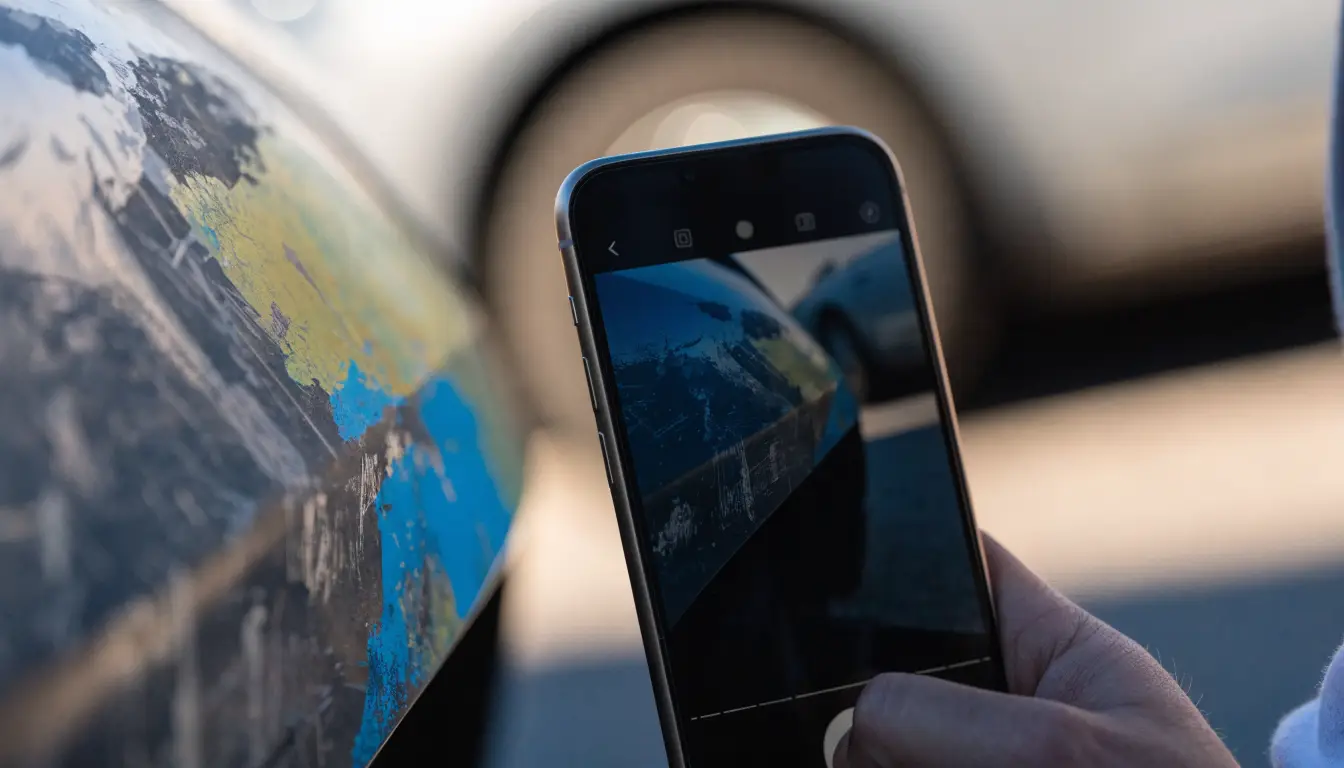
Transfer paint on your panels can be matched to manufacturer color codes — narrowing make, model, and years. Broken trim and headlamp fragments carry part numbers. Photograph everything in place before it is swept. Keep the pieces in a box, not in the trash at the tow yard.
Do not repair your vehicle until it is fully documented — panels, undercarriage, paint transfer close-ups, and the interior if you hit your head. Your bumper is a witness. A quick body-shop appointment is how that witness disappears.
Event-data recorders in modern cars log speed and delta-V. If your car or theirs (once found) still exists, that download is a timed fact, not a guess. Salvage yards do not wait for your claim.
Witnesses and the report that gates coverage
Get phone numbers at the scene. Accounts can be taken later, but only from people you can still find. A juror leaving the Historic Courthouse, a shift worker heading into Hunter, a student walking University Avenue — they will not be there tomorrow.
File the police report same-day. Beyond investigation, it is typically a condition of UM hit-and-run coverage. A prompt report is the difference between an insurer that must pay and one with an exit. Request the report number from Riverside Police or the CHP collision-report desk depending on the road.
If the case later needs a complaint, venue is often the Riverside County Superior Court downtown. The evidence that complaint will cite is gathered this week, not the week you file.
How a week-one canvass actually looks here
Start at the point of impact and walk the flight path, not a random radius. Downtown: Mission Inn Avenue, Market, Main at the Hall of Justice, the Marketplace lots, hotel drives by the convention center. Magnolia: every business that faces the signal you were in. University Avenue: shops and lots between downtown and the UCR edge. Wood Streets and Eastside: doorbells, not storefronts — knock, leave a number, ask them to save last night’s clip.
Write a list: address, camera aimed which way, who you asked, what they said. That list becomes the preservation-letter list. Without it, week two is a memory of “there were cameras around here.” With it, counsel can send letters that name a door.
Hunter Industrial Park and the 215 edge add truck-yard and shift-change cameras that people forget. If the flight headed east, those lots are on the path. If it headed west toward the river and Rubidoux, the lenses change again. The geo is in the city’s own streets. Use it.
Then stop repairing, stop washing, and get the UM policy read. Evidence without coverage is a scrapbook. Coverage without evidence is a fight you did not need. (909) 233-7999.
Keep a simple chain of custody for parts: bag, date, where you found it, photo of the bag on the scene if you can still take one. Counsel and, if needed, a lab can work with that. A loose shard in a cup holder next to receipts is how pieces get lost. The same discipline applies to the dashcam card — copy it to two places tonight. One copy is not a backup. It is a single point of failure.
If a business says “we already overwrote it,” ask whether a manager clip or a cloud backup exists. Some civic-grid hotels keep a longer loop than the bartender thinks. Ask once, politely, and let a letter ask the second time.
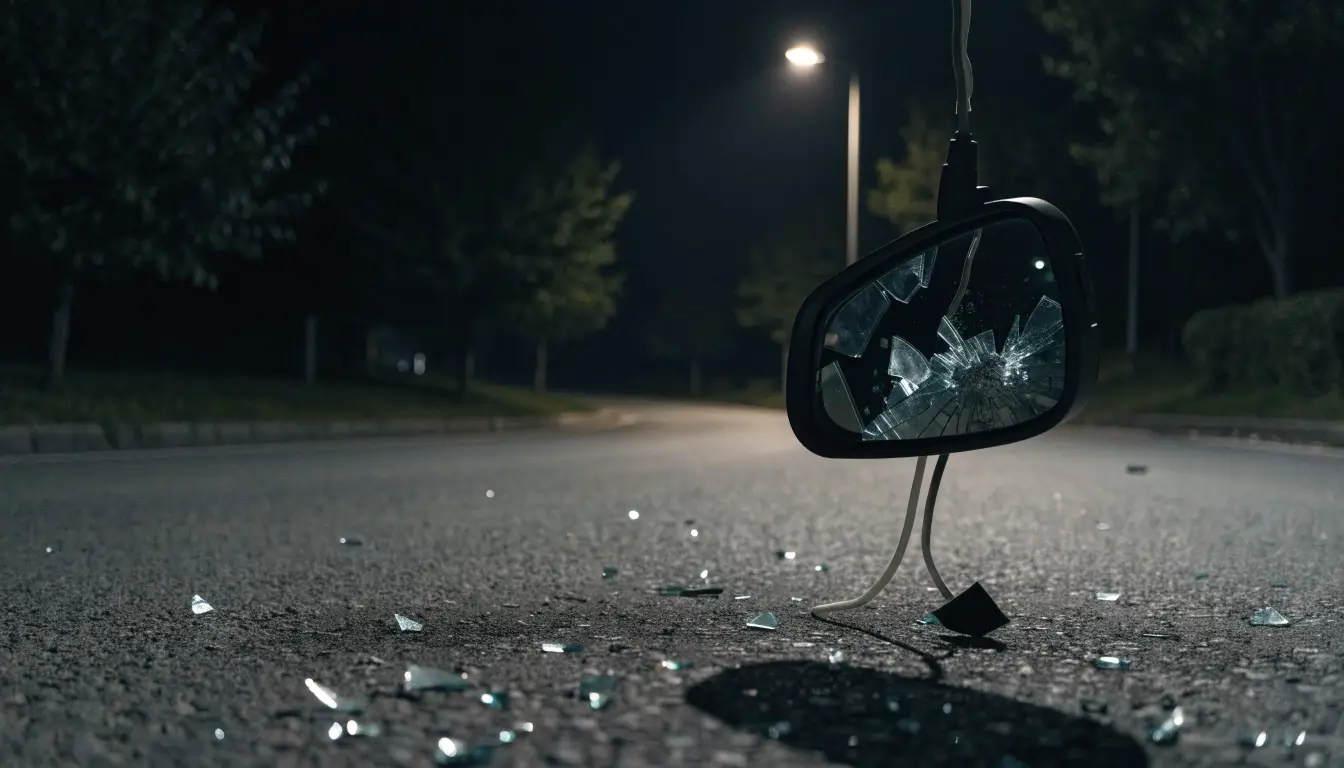
Night crashes on the 91 or 215 hide debris in the shoulder gravel. Return in daylight with a friend spotting traffic. Photograph the same marks you shot at night. Daylight is how paint chips become usable, not atmospheric.
What if the driver is never found?
The evidence still pays — through your own UM coverage, which needs proof a hit-and-run happened, not a defendant’s name. That is the pivot of the 48-hour guide, and where uninsured-driver coverage and next steps turn a pile of photos into a claim.
You do not need all five categories. UM claims regularly pay on a prompt report, your damage, and one corroborating source. Each additional piece raises value and closes exits. Day one is yours. The canvass, the letters, and any lab work are why week one is the hiring window.
Free consult. (909) 233-7999.