At the scene (first hour)
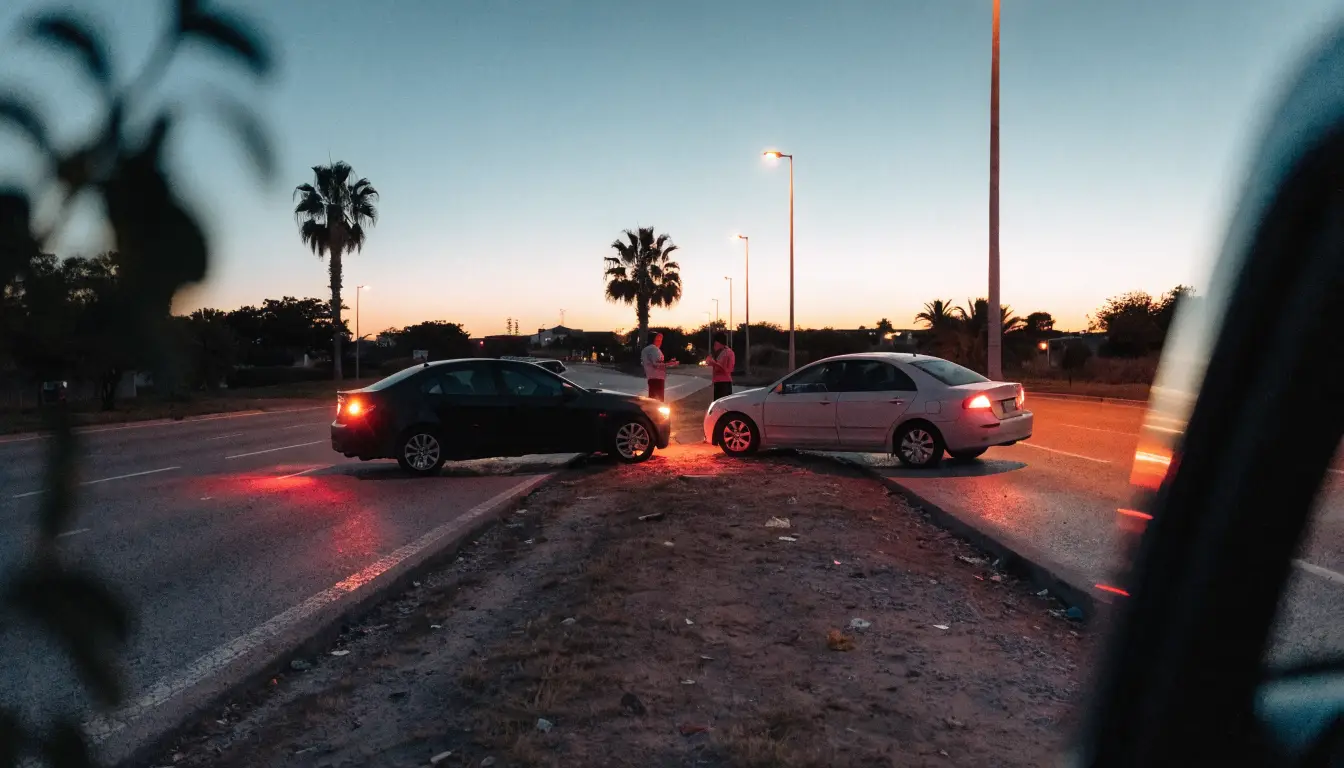
Hazards on. Out of the travel lanes if the cars can move. 911 for any injury, any doubt, or a freeway shoulder that is not safe. Then document like it is your job: every vehicle from every angle, the roadway, debris, skid marks, their license and insurance card, the street signs that prove you are on Magnolia and not a look-alike arterial.
Witnesses leave when the tow trucks do. Get numbers first, stories later. On the 91, the 60, or the 215 the California Highway Patrol typically takes the report. On city streets — University Avenue, Market, Van Buren, the downtown civic grid — it is Riverside Police. Either way, leave with the report number.
Do not apologize for the crash. “Are you hurt?” is the right sentence. “I didn’t see you” is a closing argument. Trade facts. Save the narrative for the report and for counsel.
Same day: the medical visit that protects two things
Adrenaline hides injuries. Neck, back, and head symptoms routinely arrive on day two or three. Getting checked today protects your health and creates the record the claim will live in. Waiting creates the treatment gap insurers price against you.
Riverside Community Hospital is the Level I trauma center on Magnolia, downtown-adjacent. Parkview sits on the west / Arlington side. Kaiser Permanente Riverside is the other major campus many residents already use. RUHS Medical Center in Moreno Valley is near the city, not in it — go where EMS takes you. Report every symptom. Follow the discharge instructions. “I’m fine” on an ER note is a sentence you will meet again.
If EMS did not transport you, go anyway. Urgent care counts. The building matters less than the timestamp and the complaint list.
Within 24 hours: the paperwork clocks
California requires an SR-1 report to the DMV within 10 days when anyone is injured or damage exceeds the current dollar threshold. Do it early, online, in ten minutes. Notify your own insurer promptly — facts only. Prompt notice is a policy condition, not an admission of fault.
Then the other driver’s adjuster calls. Warm, fast, “just needs your version for the file.” You are not required to give a recorded statement to them, and you should not. What you say in that call follows the claim. The longer list of phrases to avoid is in what not to say after a crash.
If the crash involved a city vehicle or you think a public road design is part of the story, say so on the first call to counsel. Government-claim clocks can run in six months, not two years.
How this plays out on the 91, Magnolia, and downtown
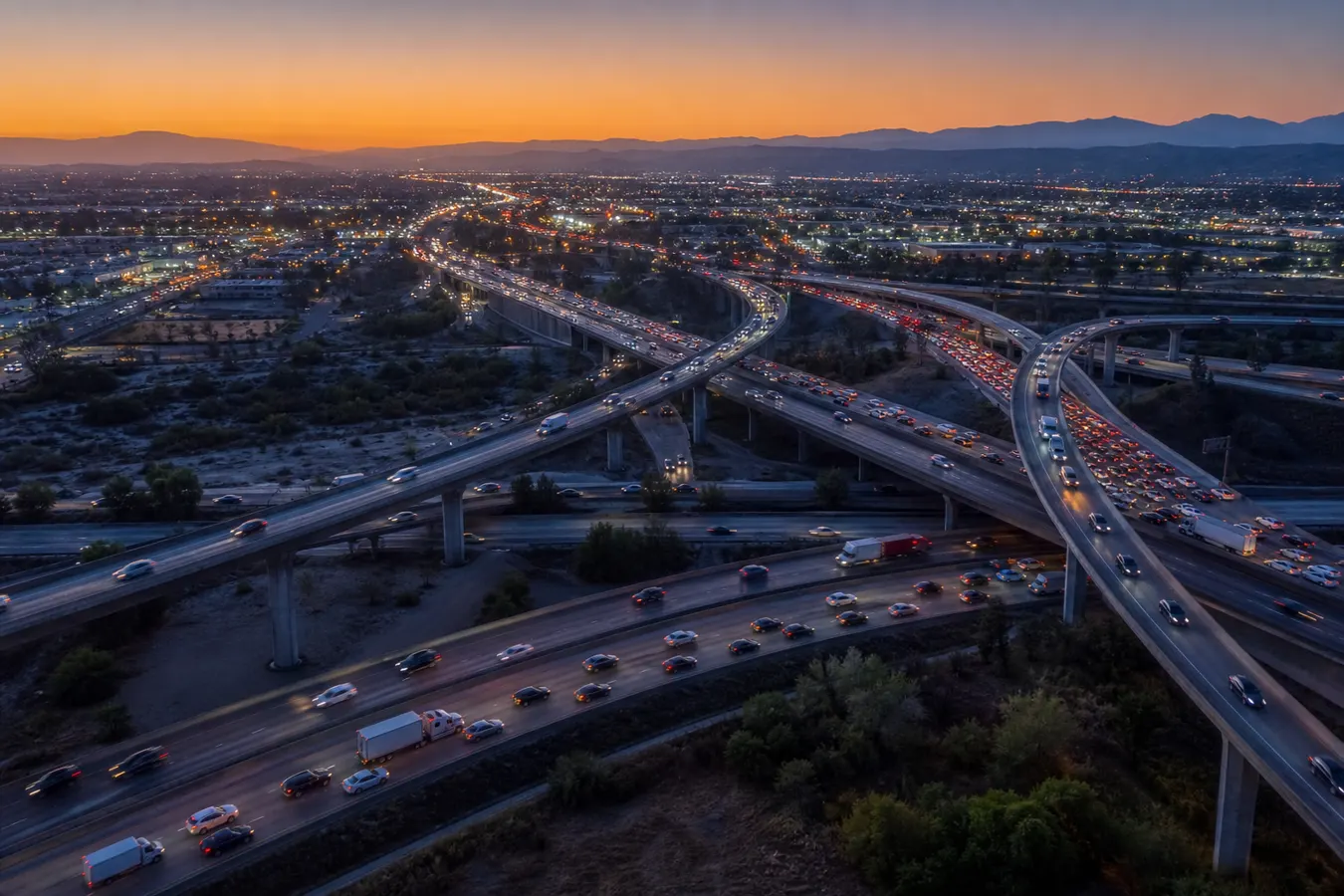
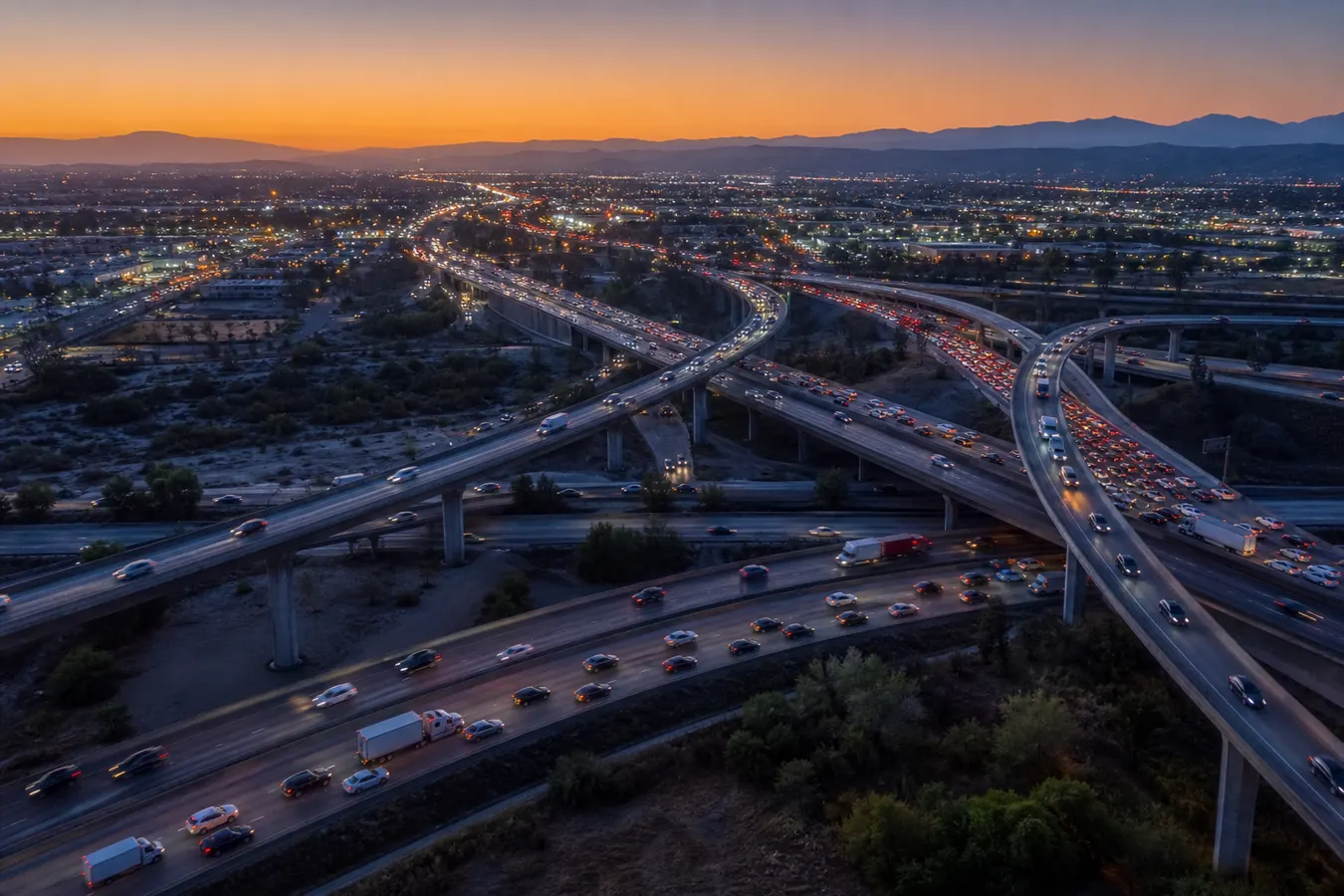
Freeway shoulder: stay out of live lanes. The 91 westbound at dusk is a bad place to negotiate with the other driver. Let CHP sort the roadway. Photograph from a safe spot. City grid: a downtown block by the Historic Courthouse has more cameras and more impatient traffic. Same photo job, less shoulder. Magnolia and Van Buren: arterial speed, more left-turn geometry, same “get the report number” rule.
If you live in Orangecrest or Mission Grove and the crash was on Alessandro or Van Buren, do not assume “it was only a few miles from home” means you can skip the ER. Distance is not a diagnosis. If you live in Wood Streets and you walked home from a civic-grid tap, go get checked anyway. Walking home is not a medical clearance.
Keep a single folder — phone album plus a notes app. Report number, photos, discharge papers, the other driver’s card, the tow yard, the rental. The first week is when those pieces scatter. The claim is easier when they do not.
If you are reading this from a waiting room at Riverside Community Hospital, you are already doing the most important medical step. The legal step can wait until you are home. The recorded statement can wait forever. (909) 233-7999 when you can talk.
If the other car was a city or county vehicle, say so when you call. The six-month government-claim clock does not care that you are still sore. If it was a hit-and-run, report it as a hit-and-run the same day — UM coverage often requires that prompt report. If you are not sure which agency came, keep the card or the badge number you were given and ask for the report number in the morning.
Do not let a tow-yard cash call or a “friendly” recorded line happen from the hospital parking lot. Get home. Get the folder started. Then decide who speaks for you.
The next few days — while footage still exists
Save everything. Start a symptom note on your phone. Post nothing about the crash, your health, or your weekend. Downtown storefront cameras, Marketplace cameras, and business lots along Magnolia overwrite in days. So do many doorbell cameras in Wood Streets and Eastside.
That is why the practical hiring window is much shorter than the legal one. Week one preserves. Month twelve reconstructs. If it was more than a fender-tap, a free consult on the crash this week costs nothing and forecloses nothing.
Riverside Community Hospital’s own site is here if you need the campus: Riverside Community Hospital. Treatment first. Statements later. (909) 233-7999.