UM: when they have nothing — or they vanished
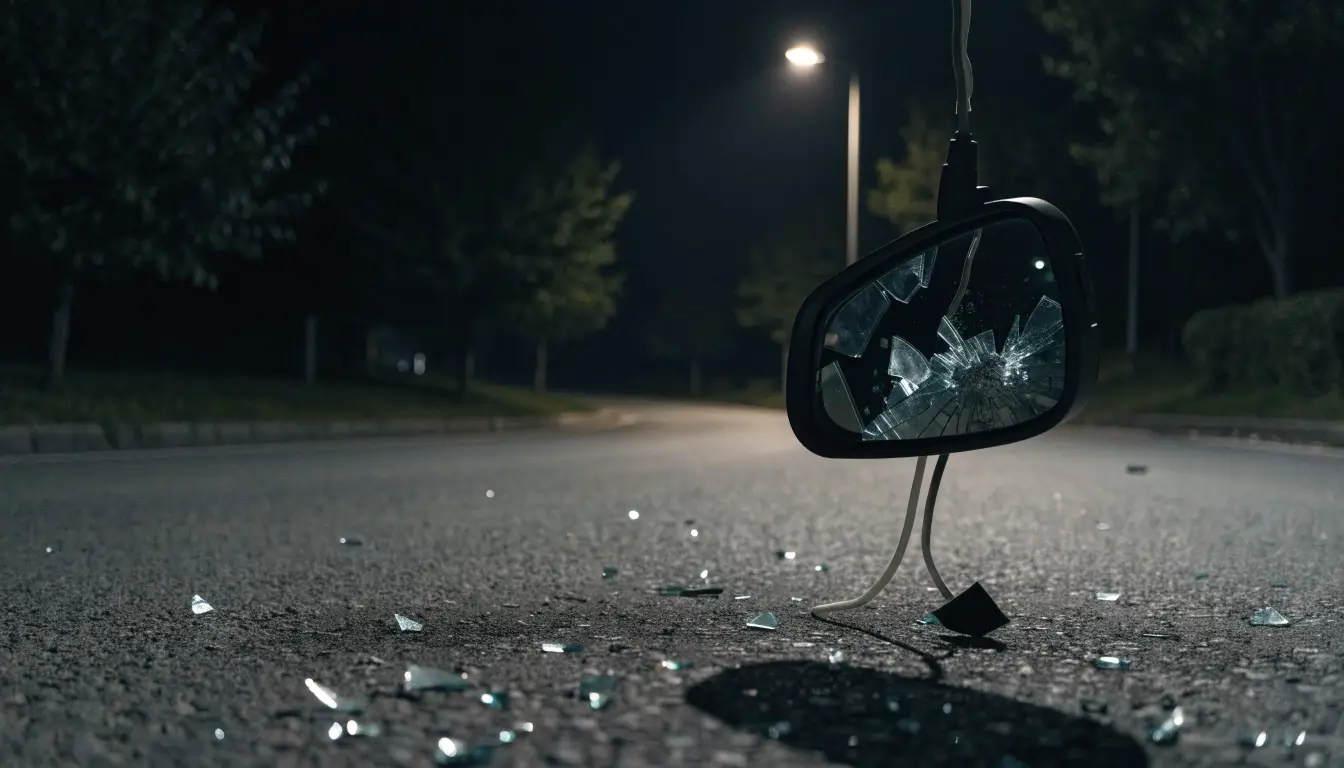
Uninsured driver, or a hit-and-run never solved: your UM coverage stands in their shoes. Conditions matter. Hit-and-run claims typically require a prompt police report and sometimes physical contact. That is why the 48-hour guide leads with reporting. Damages are proven like any claim: records, wages, life impact.
Roughly one in six California drivers is uninsured. On the 91 commute and the 215 freight edge, that is not a rare story. UM is the line that keeps a clean-liability injury from becoming an empty recovery.
You are negotiating with your own carrier. They still do the same math any insurer does: delay, discount, document-hunt. They also owe you duties of good faith that a stranger’s carrier does not owe in the same way. When a fair claim stalls, those duties have teeth.
UIM: when they have too little
Hypothetical: a driver is T-boned on Van Buren. Damages run well above $50,000. The other driver carries the old 15/30 minimum. UIM bridges from that $15,000 per-person limit toward your UM/UIM limits — after the underlying policy pays.
The trap that voids these claims: settling with the at-fault insurer without your UIM carrier’s written consent. Sequence matters. Sign nothing on the underlying claim before the coverage picture is read. A cheap release on the $15,000 can strand the six-figure UIM layer above it.
Minimum policies are common. Serious injuries after a 91 or interchange crash outrun them quickly. UIM is how a “they were insured” file still becomes a complete one.
Who it covers — and the stacking question
UM/UIM often follows the person, not just the car. Struck walking near the Marketplace, or on a bike along the Santa Ana River trail, your auto policy may still be the claim. Household policies can count — a resident relative’s UM, a second vehicle on the same declarations page. Coverage-finding routinely turns a token recovery into a real one.
California requires UM/UIM to be offered. Absence usually means someone signed a written waiver. If the line is missing, add it. It is inexpensive protection relative to what it pays.
Proposition 213 bars most uninsured drivers from recovering pain and suffering even when they were not at fault. Economic damages can still exist. One more reason carrying your own coverage protects your rights, not just your bumper. The statute of limitations still runs on the injury claim underneath — two years for most files, shorter policy deadlines on the UM/UIM side.
How UM and UIM show up on local files
A 91 commute crash with a minimum-policy driver is a UIM story as often as it is a liability story. An interchange weave where the at-fault driver fled is a UM story with a police-report condition. A pedestrian struck near the Marketplace by a driver with no insurance is often a UM-follows-the-person story. Same policy line. Three different proof lists.
Household stacking is easy to miss in multi-car families in Orangecrest, Canyon Crest, and La Sierra. Two vehicles on one declarations page can mean two UM limits or a single shared limit, depending on the form. Do not guess. Bring the page. Resident relatives add another layer. The consult is partly a coverage map, not only a crash story.
Arbitration is common. It is not informal. You still need records, consistency, and a clean statement history. Your carrier’s familiar logo does not make them gentle. It makes them informed about your prior claims and your address history. Document this crash as if they were a stranger. They are, for this purpose.
If you waived UM years ago to save a few dollars a month, you cannot un-waive last Tuesday. You can add it today. Do that after you deal with the crash in front of you. (909) 233-7999.
Read the consent clause on UIM before anyone deposits the at-fault driver’s small check. A 15/30 tender on a Magnolia crash can look like closure. It is often the first layer. Written consent from your UIM carrier is how you keep the second layer. Sequence is a legal fact, not a courtesy.
If your policy is from another state because you moved here for work or school, bring that declarations page anyway. The form travels. The terms may differ. Guessing at California rules on a Texas or Arizona page is how people leave money on a line they already paid for.
How these claims actually get decided
Many UM/UIM disputes go to arbitration under the policy, not a jury in the Hall of Justice. The valuation fight looks like any injury case: treatment, future care, comparative fault, credibility. Your carrier is the counterparty. Document it that way.
If the file is a hit-and-run, pair this page with the evidence and investigation guides. If you were hurt and the other driver has nothing — or not enough — how UM claims get built in this city is the next conversation.
Free consult. (909) 233-7999.