How contingency actually works
No hourly invoices while you are in physical therapy. No retainer to “open a file.” The fee is a percentage of the recovery, collected at the end, from the result. The written agreement sets the percentage before anything starts. A careful office walks you through every line. If they will not, that is an answer.
Car-accident fees in California are not capped the way some medical-malpractice fees are. That is why the paper matters. Typical Inland Empire agreements look like this: one-third if the case resolves without filing; a higher step — often 40% — after a complaint is filed at the Hall of Justice. Some agreements use a single percentage the whole way. Either structure is lawful if you understand it.
You approve any settlement. That should be explicit. An attorney can recommend a number. They should not accept one over your objection.
Costs are separate — check who fronts them
Police reports, medical records, expert reviews, filing fees, service of process. Those are costs, not the fee. The line to find in any agreement: who advances costs, and what happens if the case recovers nothing. Most contingency offices — including this one — advance the costs and recover them only from the result. You should not be funding your own case while you cannot work.
Pre-suit costs on an ordinary injury file are often a few hundred dollars. Once a complaint is filed downtown, the number grows. That is one reason the fee percentage steps up: the work and the outlay both change. Ask for a running cost list if the case heads toward the Riverside County Superior Court.
California requires a written closing statement at the end. Every deduction — fee, costs, liens — should be on it before money leaves trust. If an office shrugs at that requirement, keep walking.
Is the fee worth it? The honest math
For a bumper-only claim, keep 100% and skip us. Once there is an injury, insurers price represented files differently. Cases get built rather than guessed at. The factors that decide what a settlement is even made of — future care, comparative fault, coverage-finding, lien negotiation — reward professional handling. Two-thirds of a properly built number routinely beats all of a first offer. That is a pattern, not a guarantee about your file.
The quiet lever is lien negotiation. Kaiser, a private plan, Medi-Cal, or a hospital lien can swallow a net if nobody works that line. Reductions often return more to your pocket than the fee removed. That work does not appear on a billboard. It appears on the closing statement.
Cost fear is also a timing problem. The legal clock is usually two years — six months if a public entity is involved — as the state’s statute of limitations page explains. The evidence clock is closer to 30 days. Waiting because you thought you had to pay cash is how files get thinner, not cheaper.
Five questions before you sign anywhere
- What is the percentage — and does it change if a complaint is filed downtown?
- Who advances costs, and do I owe them if the case recovers nothing?
- Do I approve any settlement before it is accepted? (You should.)
- Will I see a written closing statement? (California requires it.)
- Who actually works the file, and how do I reach them?
Hesitation on any of those is information. So is a hard sell. You are hiring judgment, not a slogan.
What you are actually paying for in this city
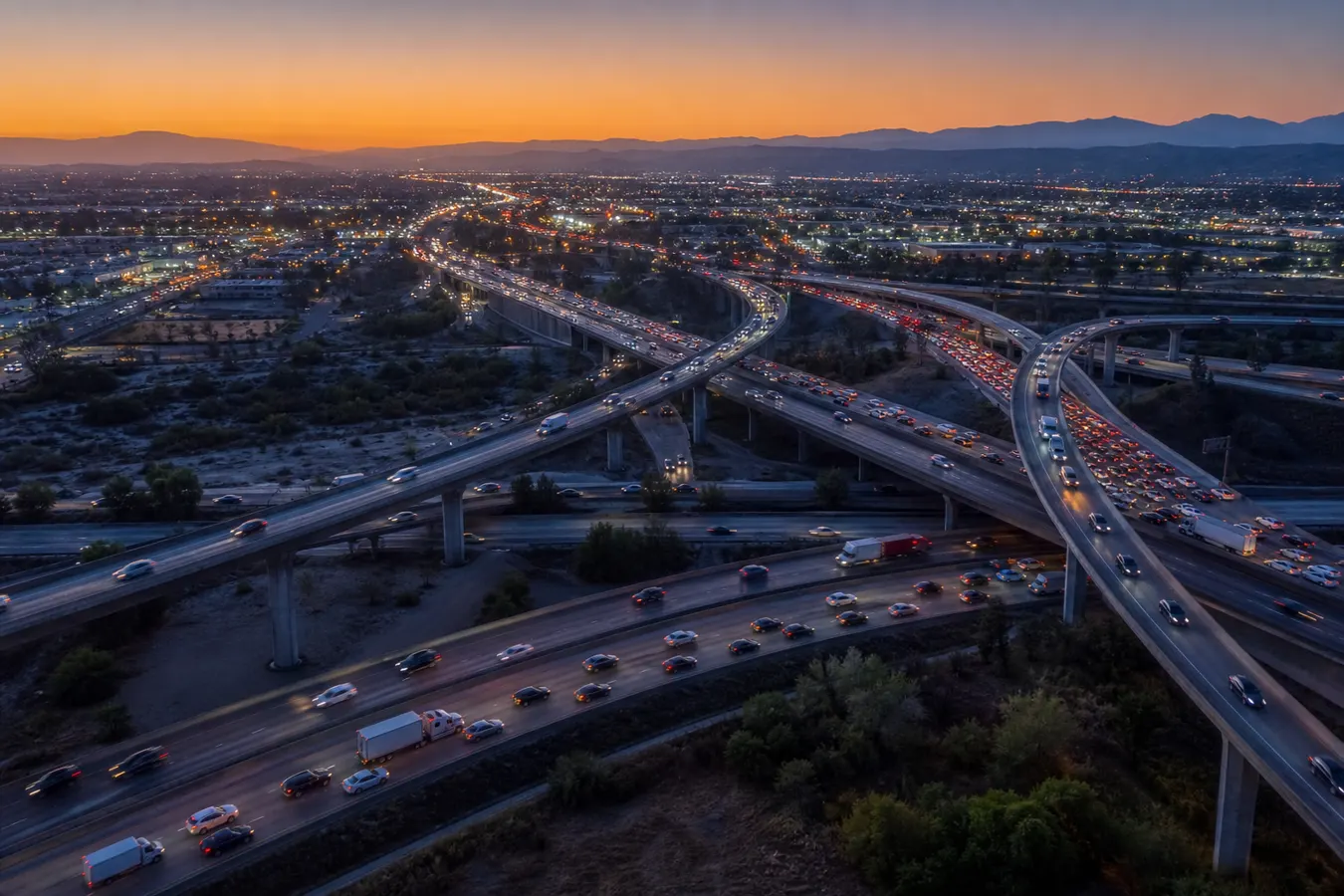
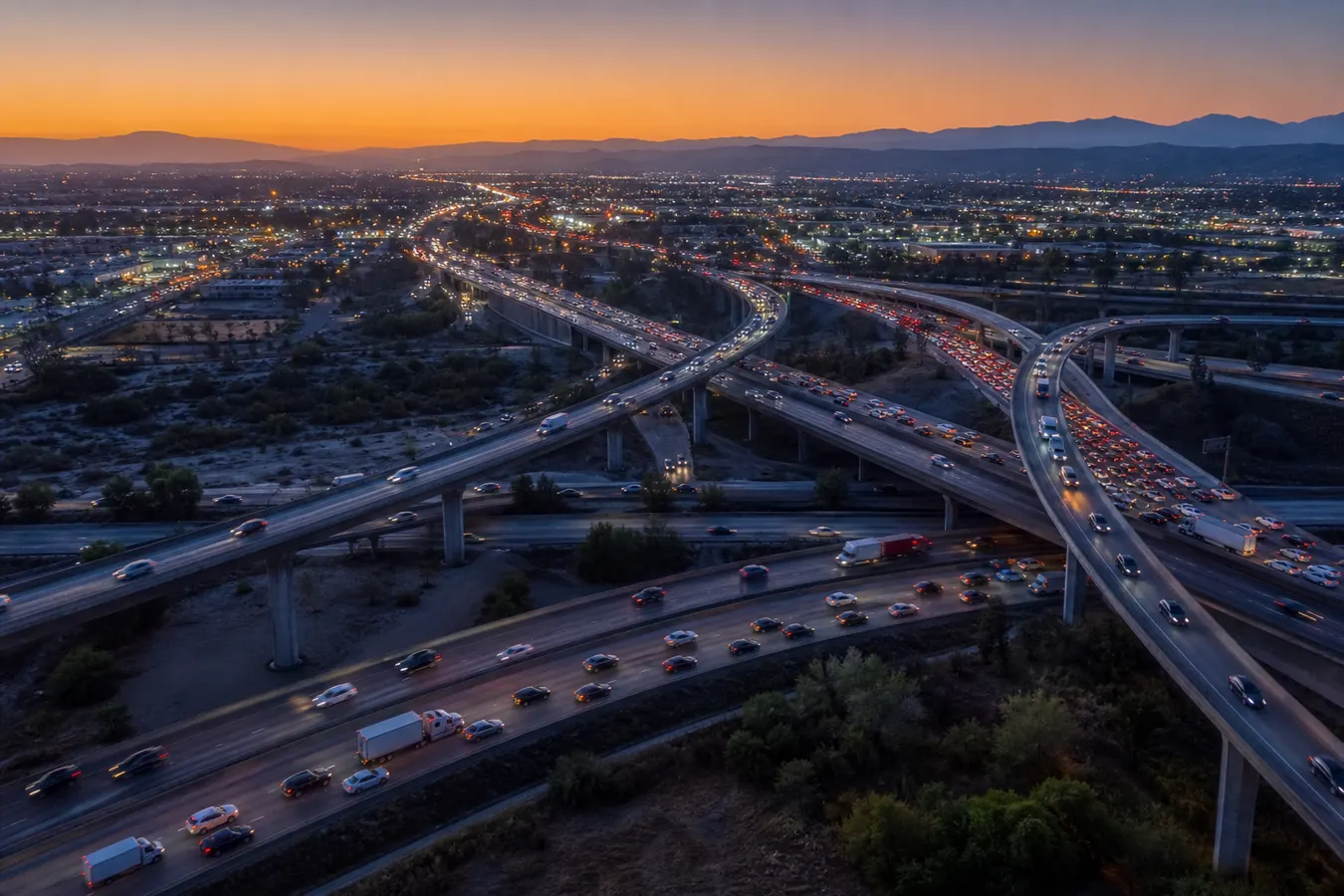
The percentage buys investigation, not stationery. On a 91/60/215 file that means pulling the CHP report, sending preservation letters to cameras that face the weave, and downloading event data before the car is totaled out of a yard in the east end. On a University Avenue left-turn file it means the same work aimed at a different set of lenses. None of that is an extra fee. It is the job the percentage is supposed to fund.
It also buys the downtown conversation the carrier is pricing. A complaint at the Hall of Justice is not a branding exercise. It is a date, a department, and a judge who already sits in this county. Offices that will not file here are asking you to pay a percentage for a bluff. Ask, directly, whether they try cases in Riverside County. Then listen to how long the answer takes.
Spanish-language consults are available. The fee structure does not change with the language. The agreement should still be explained line by line. If you do not understand a paragraph, it is not ready to sign.
Call (909) 233-7999 if the only thing between you and a review is the fear of an invoice. There is not one.
What the first call costs — and what it does not
Nothing. You describe the 91 rear-end, the Magnolia left turn, or the weave at the interchange. You hear whether the file is worth building. Sometimes the answer is that representation would not improve your net. That is still a useful twenty minutes.
If cost was the only thing keeping you from calling about your Riverside crash claim, it was never the barrier it felt like. (909) 233-7999. No fee unless the case recovers.