What the driver faces downtown
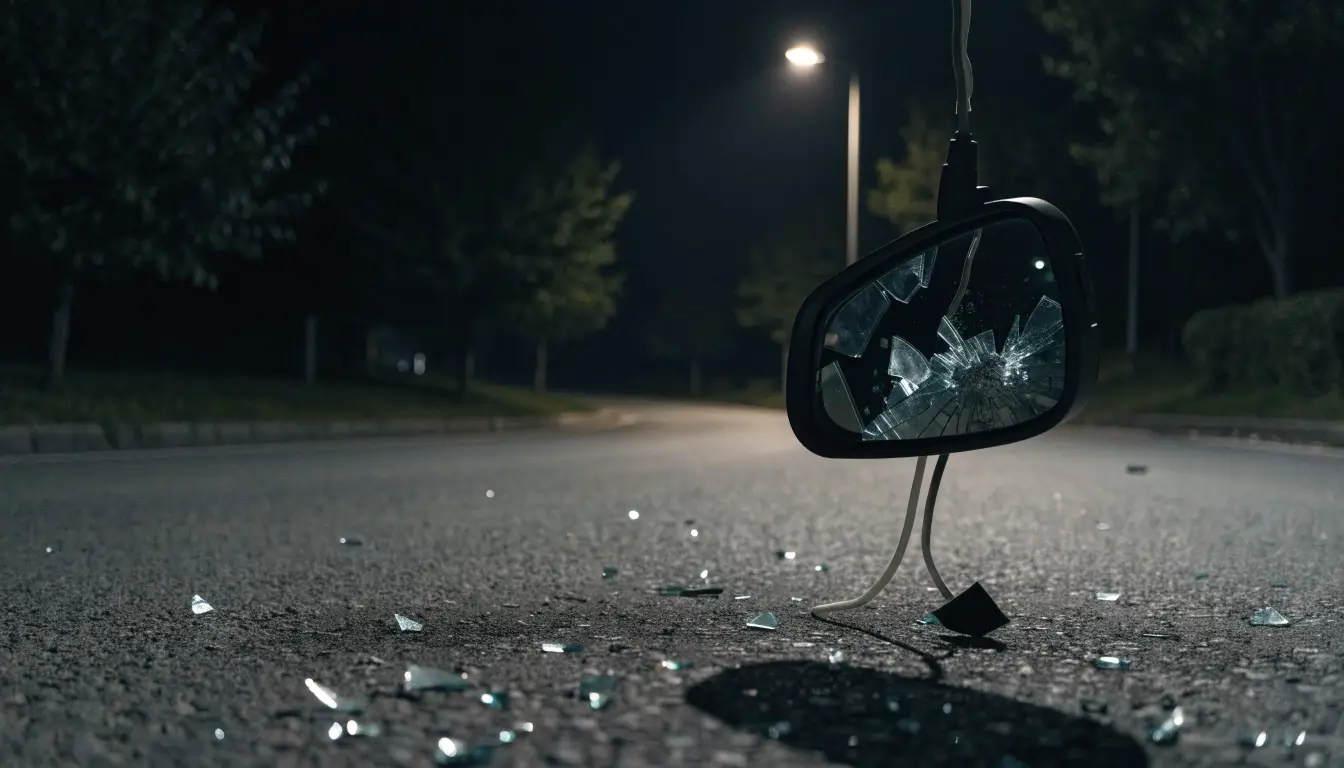
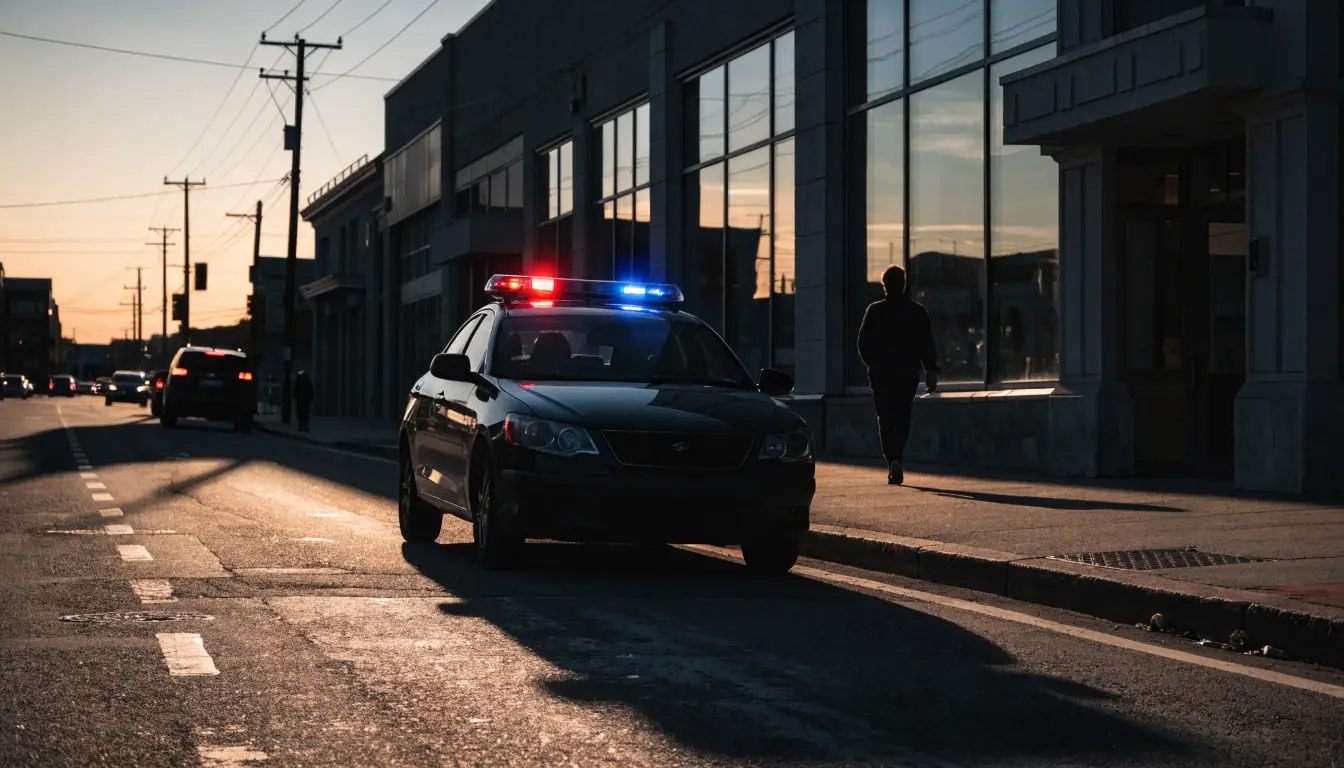
Fleeing an injury crash is chargeable up to felony level. Property-damage flight is a misdemeanor. Those cases are prosecuted in this city, at the Hall of Justice and the Historic Courthouse — the same civic grid, a different courtroom. That is the People’s business. Yours is what the prosecution produces along the way.
Venue for the criminal case depends on where the flight and the crash occurred. Venue for your civil claim depends on the collision and the defendants. They often overlap in the Riverside County Superior Court. They are still two files, two burdens, two calendars.
The criminal burden is beyond a reasonable doubt. Your civil burden is more likely than not. That gap is why a dropped charge can still be a strong injury claim.
What their case hands yours
- Identification and evidence — investigators, subpoenas, and footage you could not reach alone.
- A conviction or plea — powerful proof of the crash and the flight. Juries read flight as consciousness of fault.
- Restitution — court-ordered repayment of documented out-of-pocket losses. Take it. Know its ceiling: typically no pain and suffering, no full future care, no complete wage story. The civil claim covers what restitution structurally cannot.
Cooperate as the victim-witness. Ask for notice of hearings. Prepare any sentencing statement with civil counsel, because everything said is on a record. California victims’ rights include being heard. They do not include a full civil valuation from the criminal judge.
“The charges were dropped — is my case dead?”
No. Dismissals, diversion, and civil compromises end prosecutions, not claims. Evidence gathered before dismissal usually survives into yours. The “I didn’t know I hit anyone” defense is standard. Damage patterns and flight behavior usually undercut it. Civilly it barely matters: the negligent driving is the claim; the flight is aggravation.
If the driver was never found, the road home is UM — see how that coverage works and the 48-hour sequence. The criminal docket cannot start without a defendant. Your UM claim can.
The civil statute of limitations does not pause for a criminal continuance. Two years for most injury files; policy deadlines on UM can be shorter. Waiting on a preliminary hearing is how people miss both.
How the two dockets share a building — and nothing else
Victims are often surprised that the criminal courtroom and the civil department are in the same downtown complex and still will not “just combine the cases.” They will not. The prosecutor does not represent you. The restitution order is not a pain-and-suffering verdict. The deputy DA’s timeline is not your statute. Treat the building as shared geography, not shared strategy.
If you are asked to sign a civil compromise in a misdemeanor flight, pause. Fast money can be the right call on a tiny property file. It is the wrong call on an injury you are still measuring at Kaiser. Bring the paper to counsel before you bring it to the clerk.
Victim-witness staff can help with notices and court dates. They cannot value future care. Do not let a helpful hallway conversation replace a closing-statement projection. The Historic Courthouse is a beautiful building. It is not a claims department.
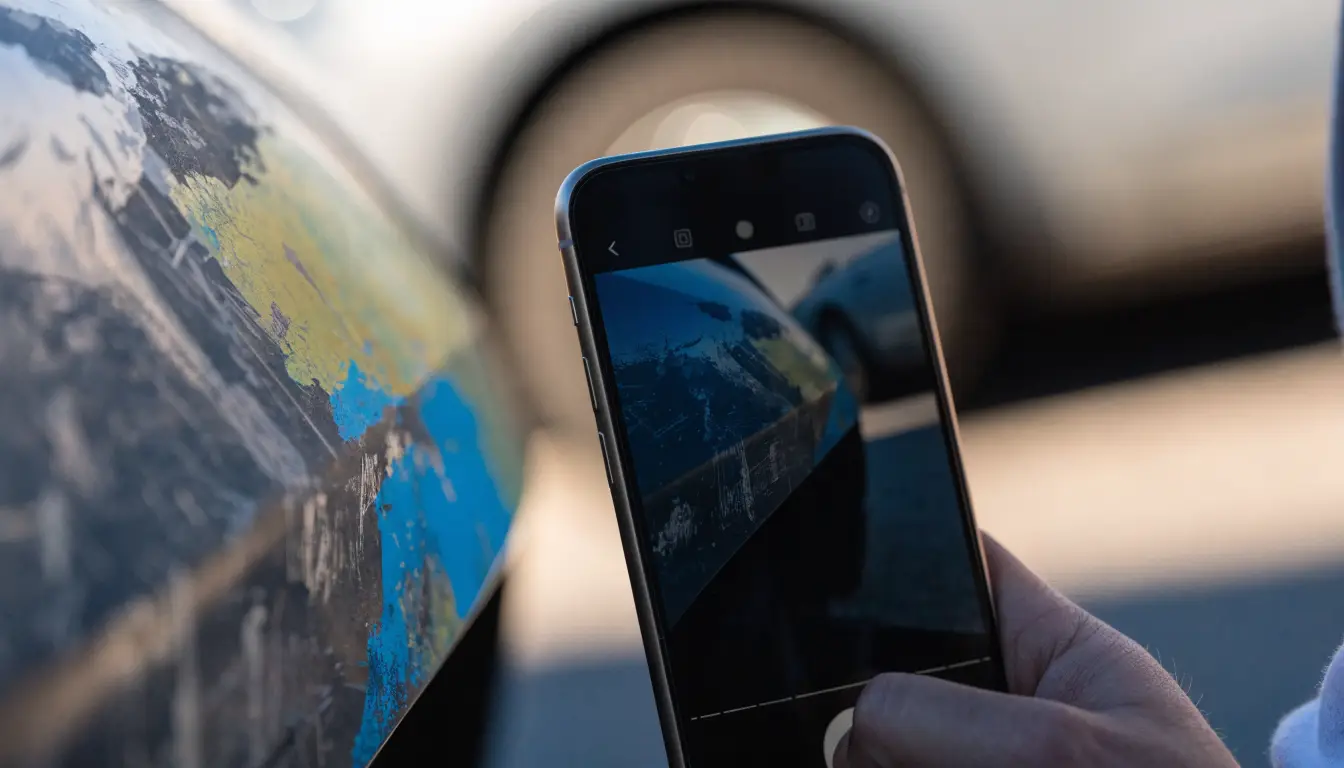
Keep building the civil file: UM notice, cameras, medical consistency. Let the People do their work. (909) 233-7999.
If you receive a subpoena or a notice to appear as a witness, call counsel before you call the number on the paper. What you say in a criminal hallway is usable later. A short, prepared statement is better than a long, exhausted one after a calendar delay. Victims’ rights include presence. They do not require improvisation.
Restitution worksheets that ask only for receipts will understate an injury claim. Fill them honestly for out-of-pocket items. Do not treat the worksheet as the whole of your damages. Pain, future care, and wage trajectory still belong on the civil side.
If the driver is in custody, insurance obligations do not pause. If there is no insurance, UM does not pause. Custody changes visiting hours. It does not change your two-year civil clock or a shorter UM condition. Put the claim on the calendar you control.
If a defense attorney in the criminal case calls you, do not discuss the crash. Take a name and number and send it to civil counsel. The defense is not your investigator. Courtesy is not a statement obligation.
Your civil calendar is still yours. Use it.
Running both tracks without getting paid twice — or not at all
Restitution offsets what you have already received. It does not replace the injury claim. A civil compromise on a limited misdemeanor can look like fast money with a release attached. Value it like any settlement offer before you sign. Quick and fair are different numbers.
Incarceration does not reduce what insurance owes. It complicates logistics, not obligations. If there is no insurance, UM is still the payment path.
Keep the civil clock running. A hit-and-run or uninsured-driver claim can be built while the DA decides what to file. Free consult. (909) 233-7999.