The driver who never stopped
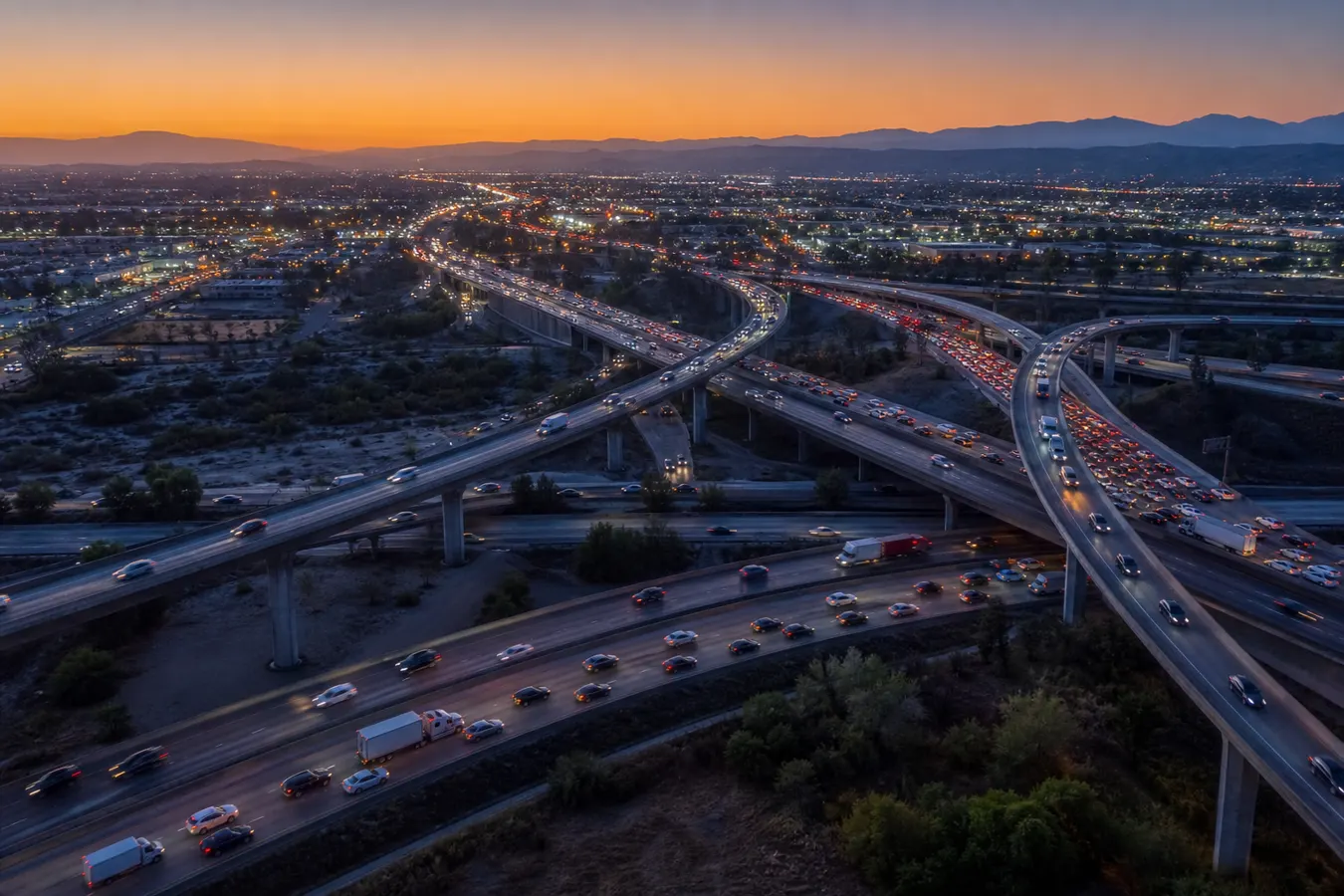
Someone drifts in the 91/60/215 weave; you hit the barrier; they keep going. No contact makes UM “hit-and-run” coverage harder — many policies want physical contact, with exceptions built on independent corroboration: a witness, a camera, a dashcam. Same-day reporting is the whole game. Your word plus one source is often enough; your word alone usually is not.
The road itself
A failed signal, an unmarked drop-off, a design that hides a merge: when a public condition caused the wreck, the claim runs against the entity on a six-month government-claim clock, not the ordinary two-year injury statute. Photograph the condition the same day. Roads get patched quickly after a crash. The limitations overview is the place to start on clocks; the claim form is a separate, shorter fuse.
Loads, debris, and the industrial east side
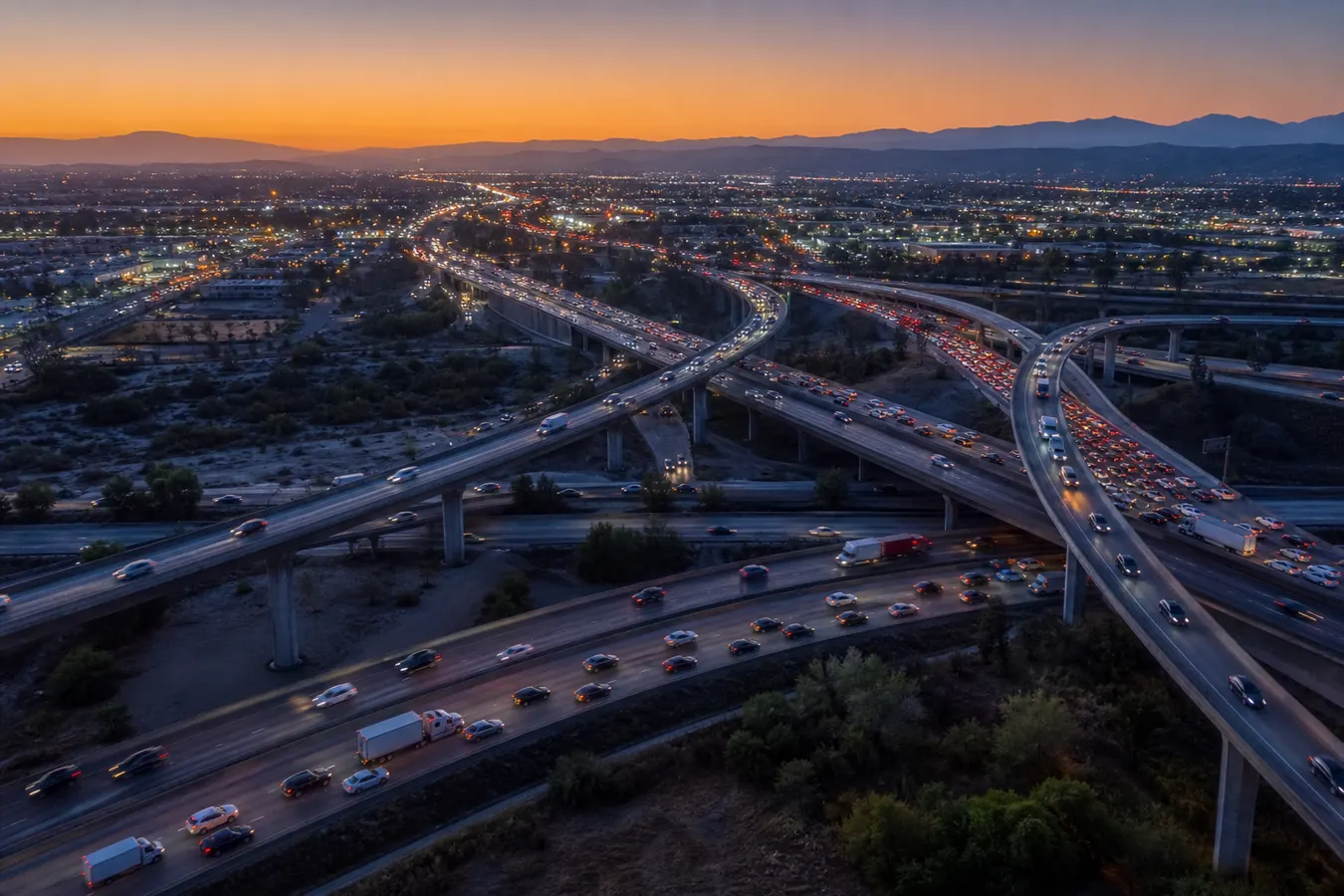
A ladder in a 215 lane, gravel off a tailgate leaving Hunter: swerve-or-hit files against a hauler, and haulers carry commercial policies. Plates, dashcam, and a same-day report give the claim an address.
The car that failed
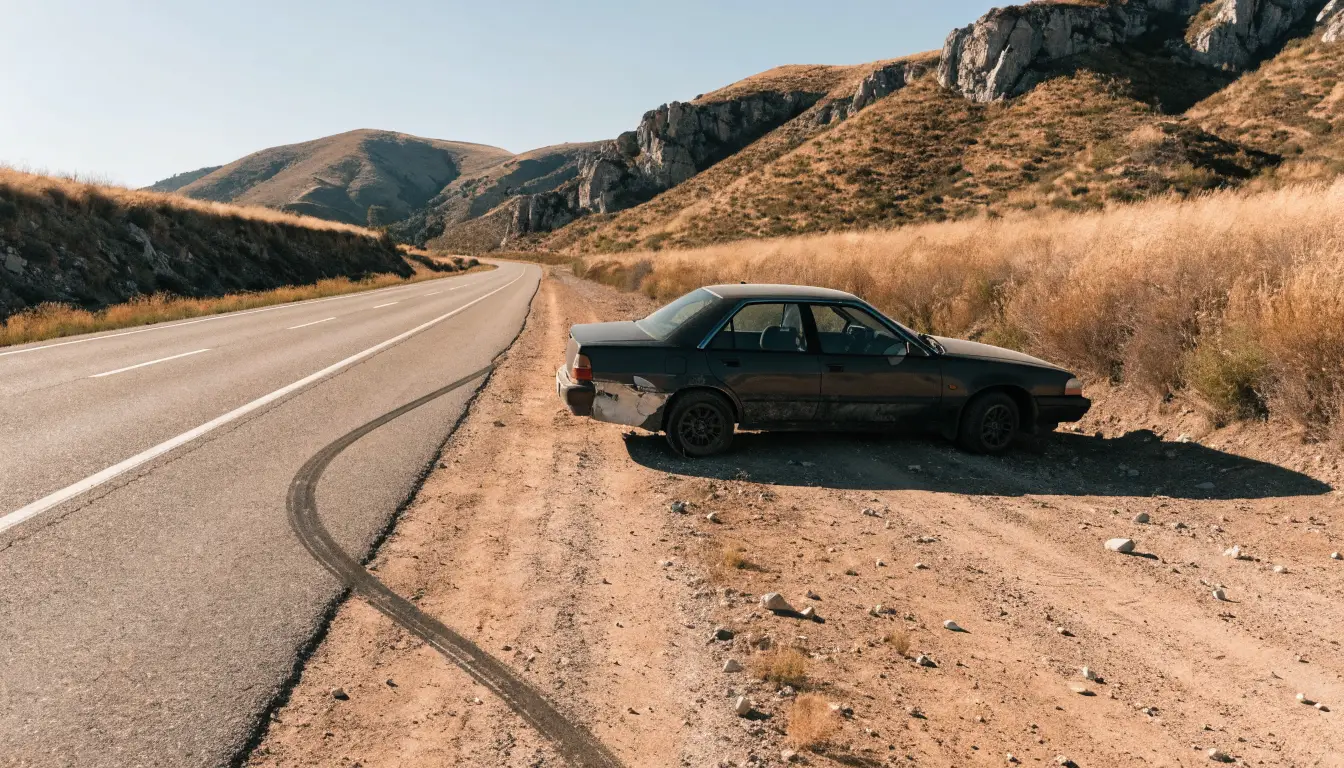
Brakes that faded on a Canyon Crest or Hawarden grade, a tire that separated — defect claims share one rule: do not let the wreck be repaired or crushed before an inspection. Tell your insurer in writing. That is the same preservation instinct as black-box evidence.
All four start by refusing the default code. File the SR-1 when anyone is injured, and bring a solo-crash claim review the same week — while the shoulder still looks like the night it happened.