What the module actually stored
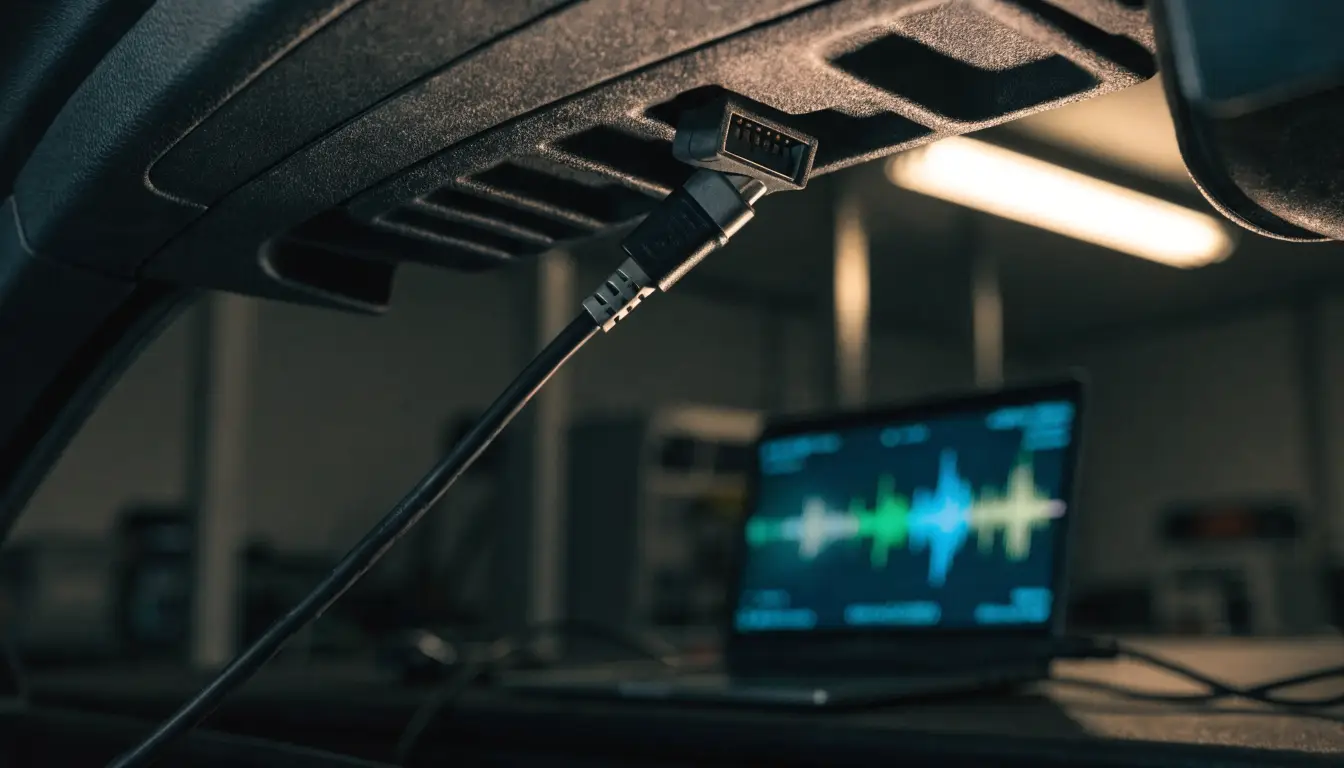
NHTSA’s EDR rules standardized a core set of parameters. In a he-said lane change at the interchange, a printout of who steered and who never touched the pedal is worth more than two statements given to CHP on the shoulder.
The Riverside fights it settles
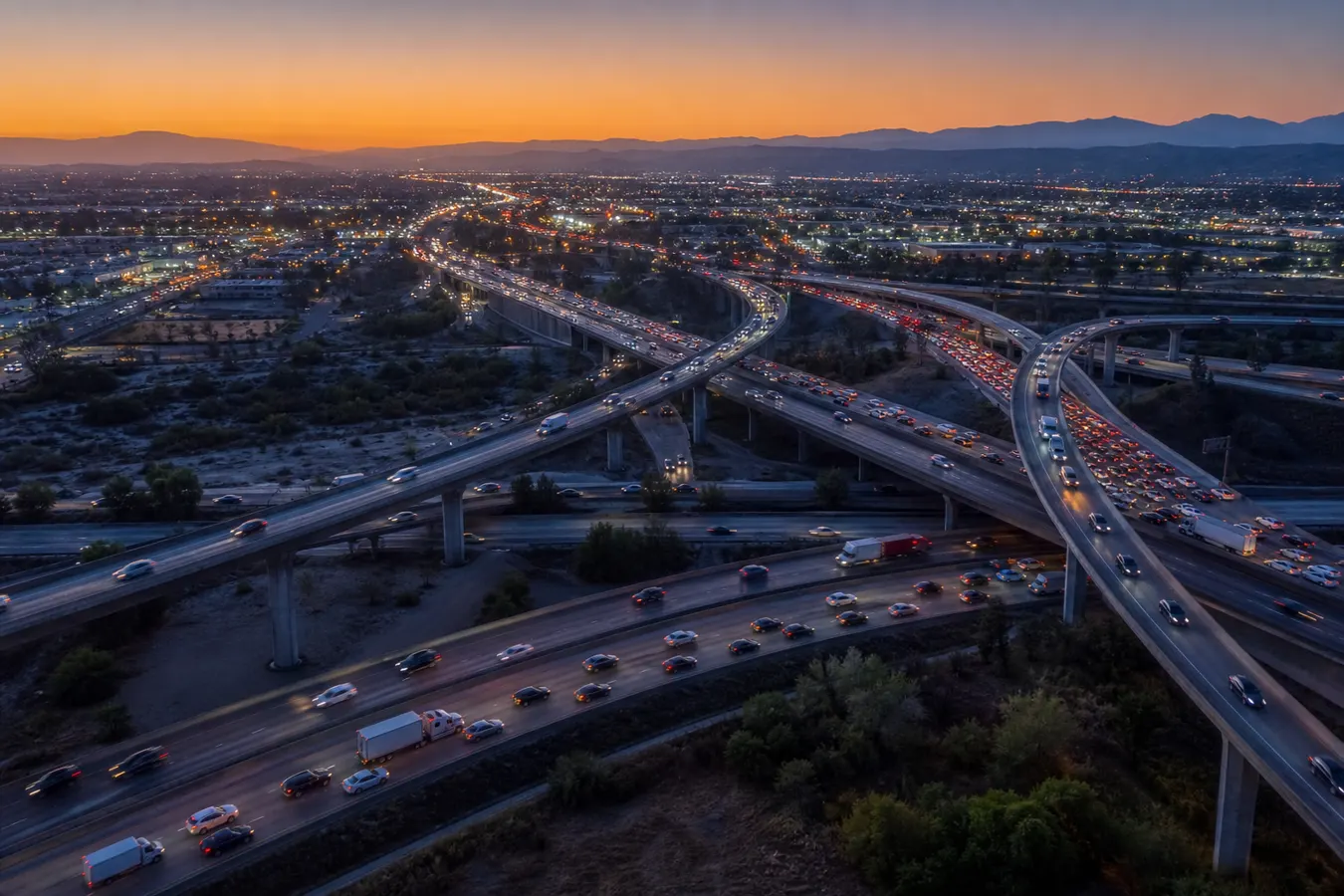
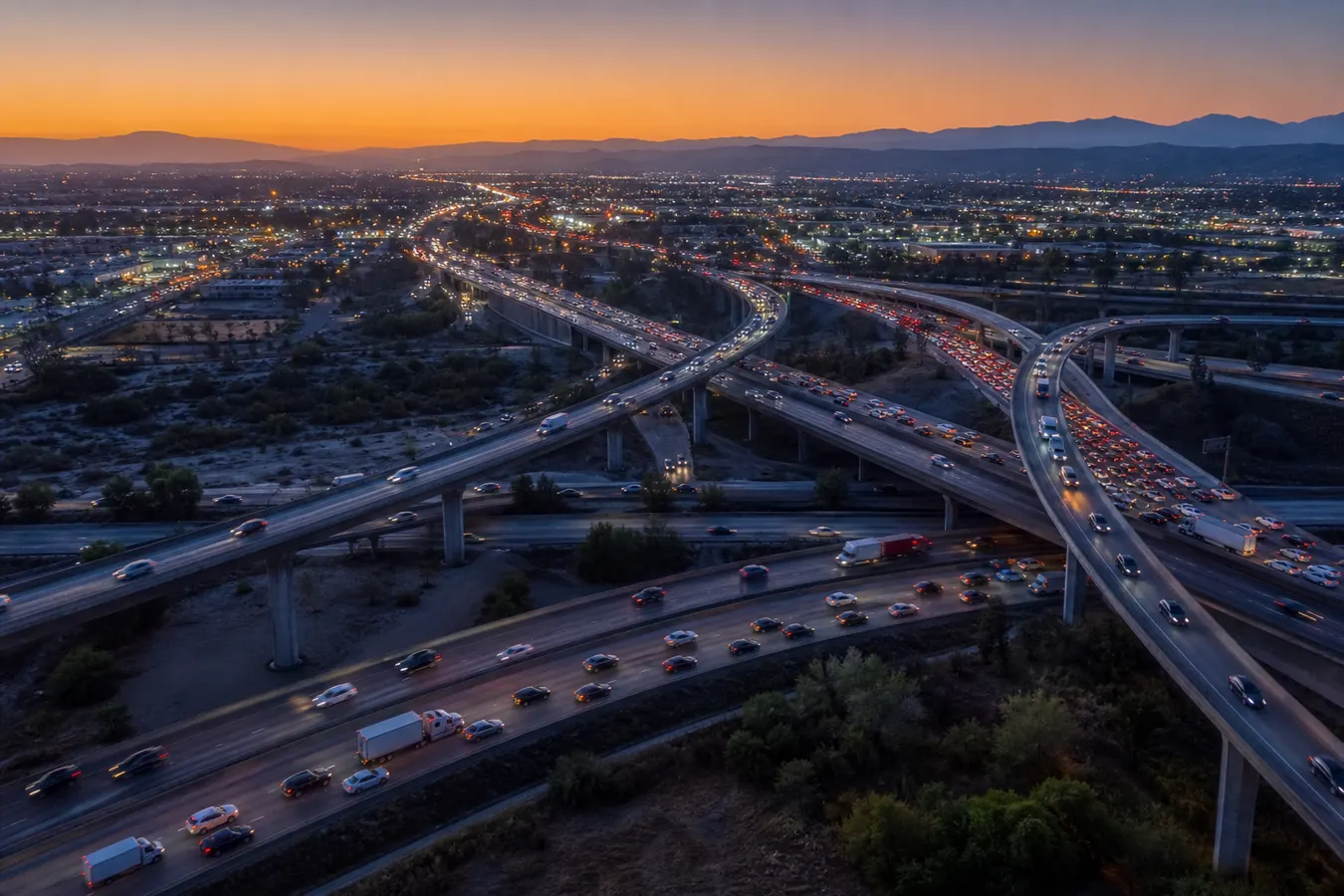
- The 91/60/215 weave — the city’s defining junction: steering and throttle show who drifted. See the interchange crash guide.
- Speed on Magnolia or Van Buren — “everyone does forty-five” becomes a measured number.
- Braking disputes — a follower who never applied the pedal is not a “sudden emergency” story.
- Your own defense — your data showing lawful speed and early brake can cut a comparative-fault discount.
The clock you are already on
Both cars hold data. Both sit in tow yards. A preservation letter to every custodian is how destruction becomes spoliation — a problem for the side that crushed the box. Pulling the other vehicle’s module takes consent or process and licensed tools. That is car-accident claim work, done once correctly or argued about for a year.
The sentence to say on the first call
If anyone is arguing speed, lanes, or braking — most files — say “preserve both vehicles.” It is the cheapest expert in the case, and it only exists while the wreck still exists. Pair it with the CHP collision report if the crash was on the 91, 60, or 215.