What this district’s streets do
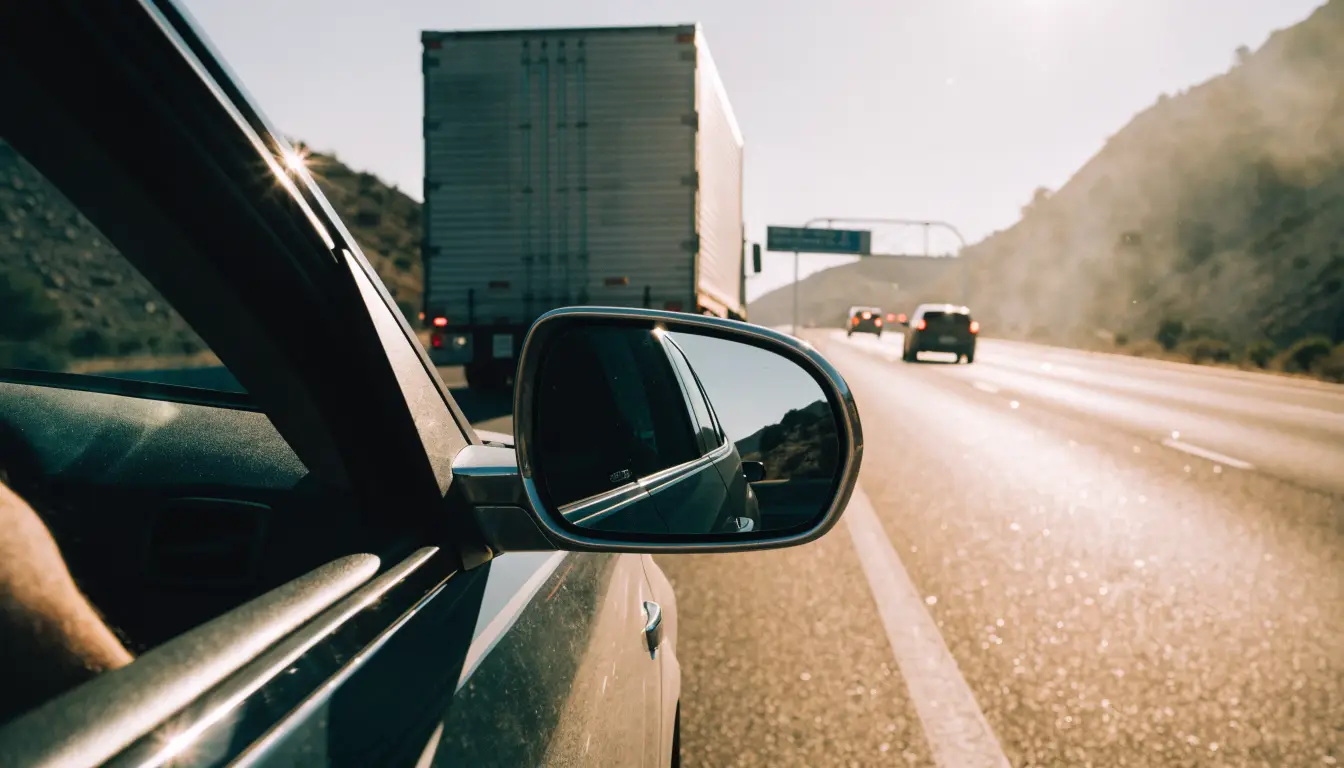
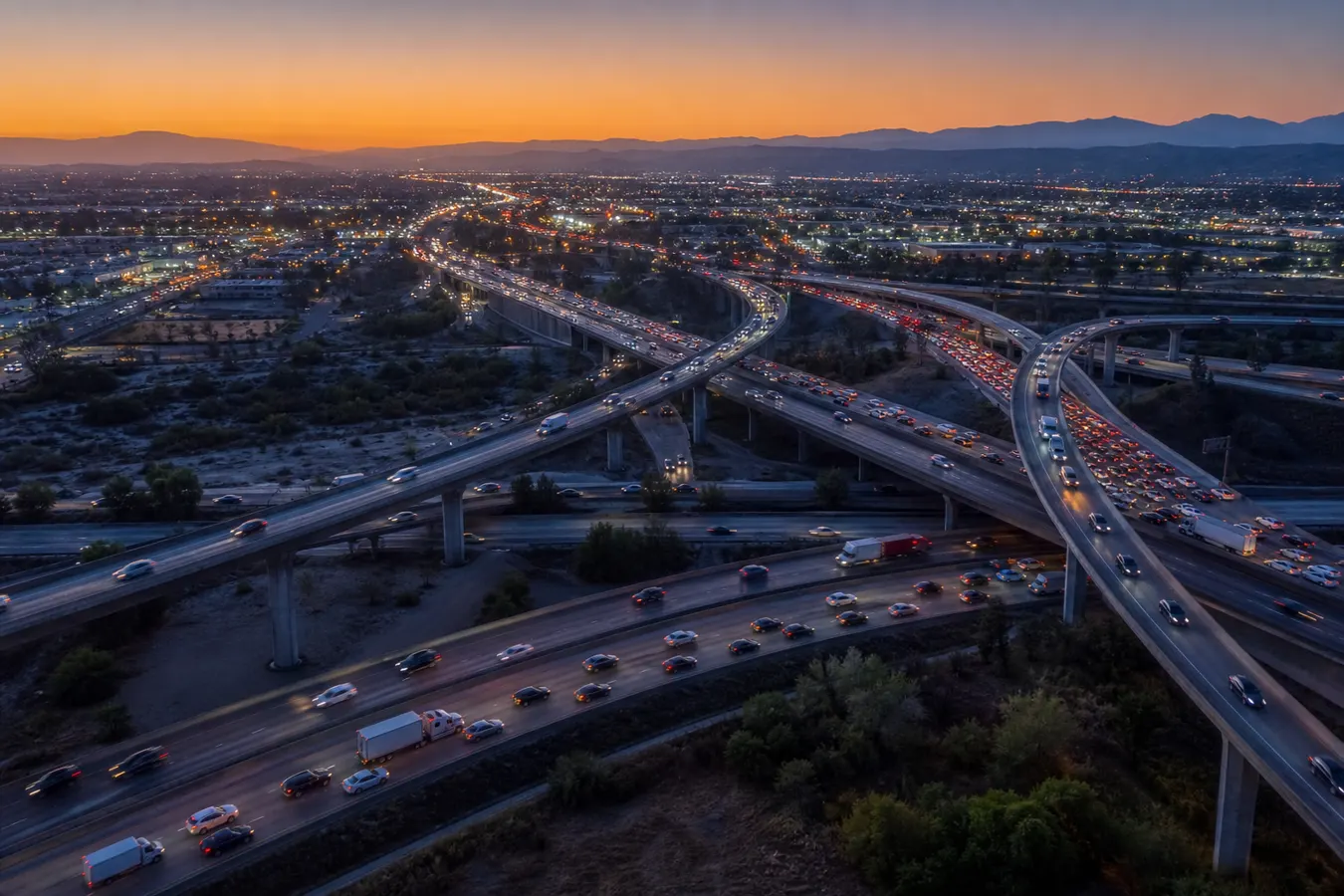
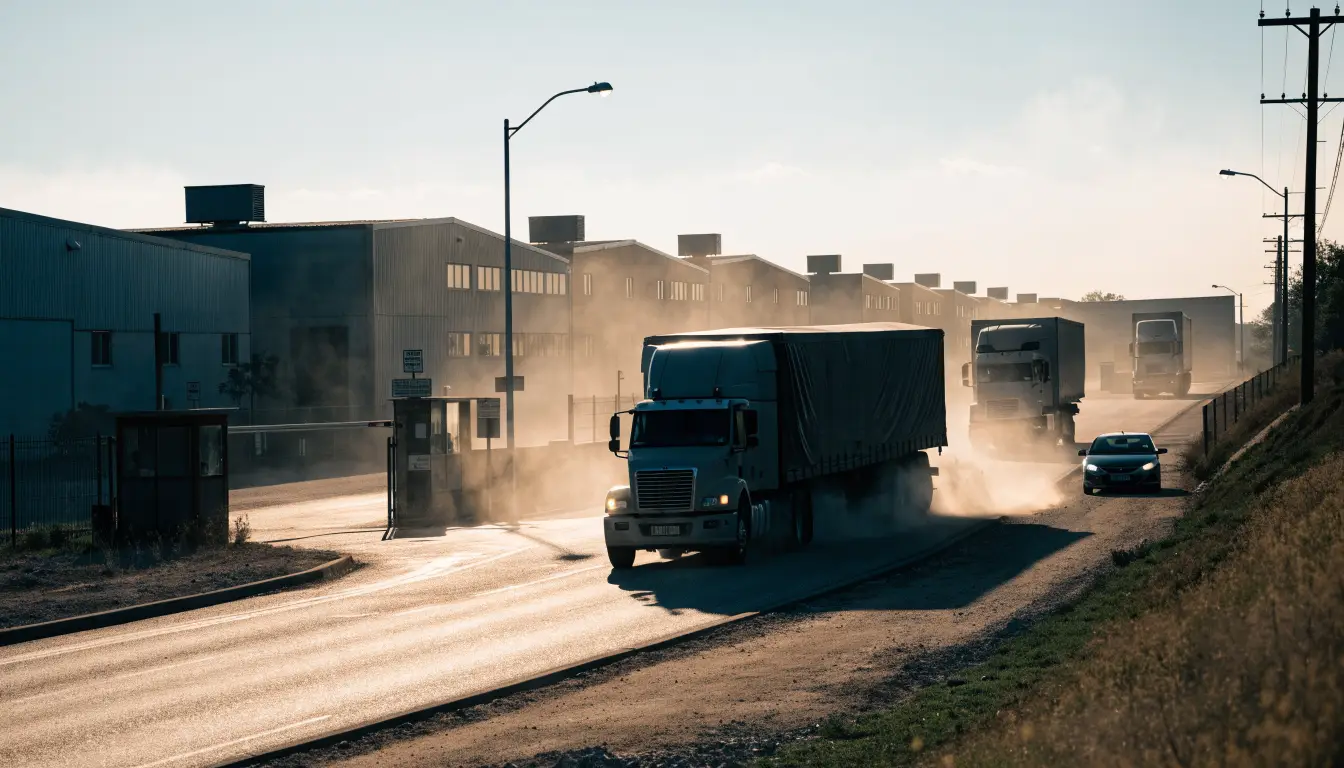
Hunter sits east of UCR in ZIP 92507. Iowa Avenue (the Dixie Cup landmark is how people place it) and Columbia Avenue move trucks between the park, the 215, and the March ARB edge. Wide aprons exist so trailers can turn. They also hide a sedan in the mirror. That is design, not a crash-rate claim.
How these collisions get argued
Right-hook and wide-turn strikes at the apron. Driveway pull-outs into Iowa or Columbia at shift change. Rear-ends when a truck stops for a gate and a follower expected freeway rhythm. Each is ordinary or commercial negligence; the records that prove hours, speed, and brake condition are the same federal stack as the 215 / Hunter truck guide.
Who writes the report
City streets: typically Riverside PD. Once the wreck is on the 215: CHP. Photograph the truck’s numbers before it is moved into a yard. Hours-of-service and ELD data still sit under FMCSA hours rules when the unit is a qualifying commercial vehicle.
Week one on the industrial grid
Get care — RCH is the Level I option toward downtown; do not tough out a “just a box truck” hit. Then open Hunter truck-crash claims while the carrier’s investigator is still on Iowa. Settlement math for commercial policies is in truck accident settlements.