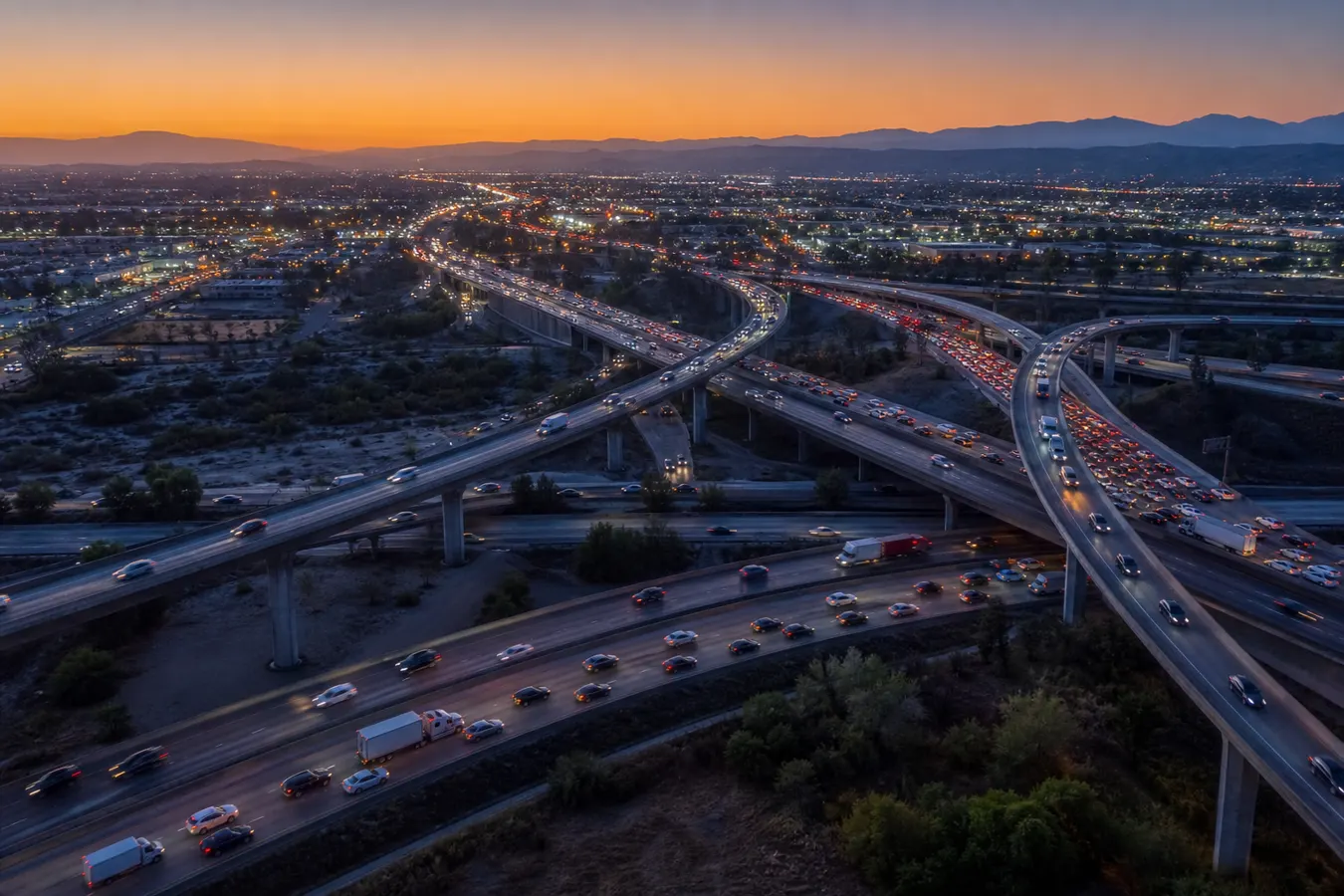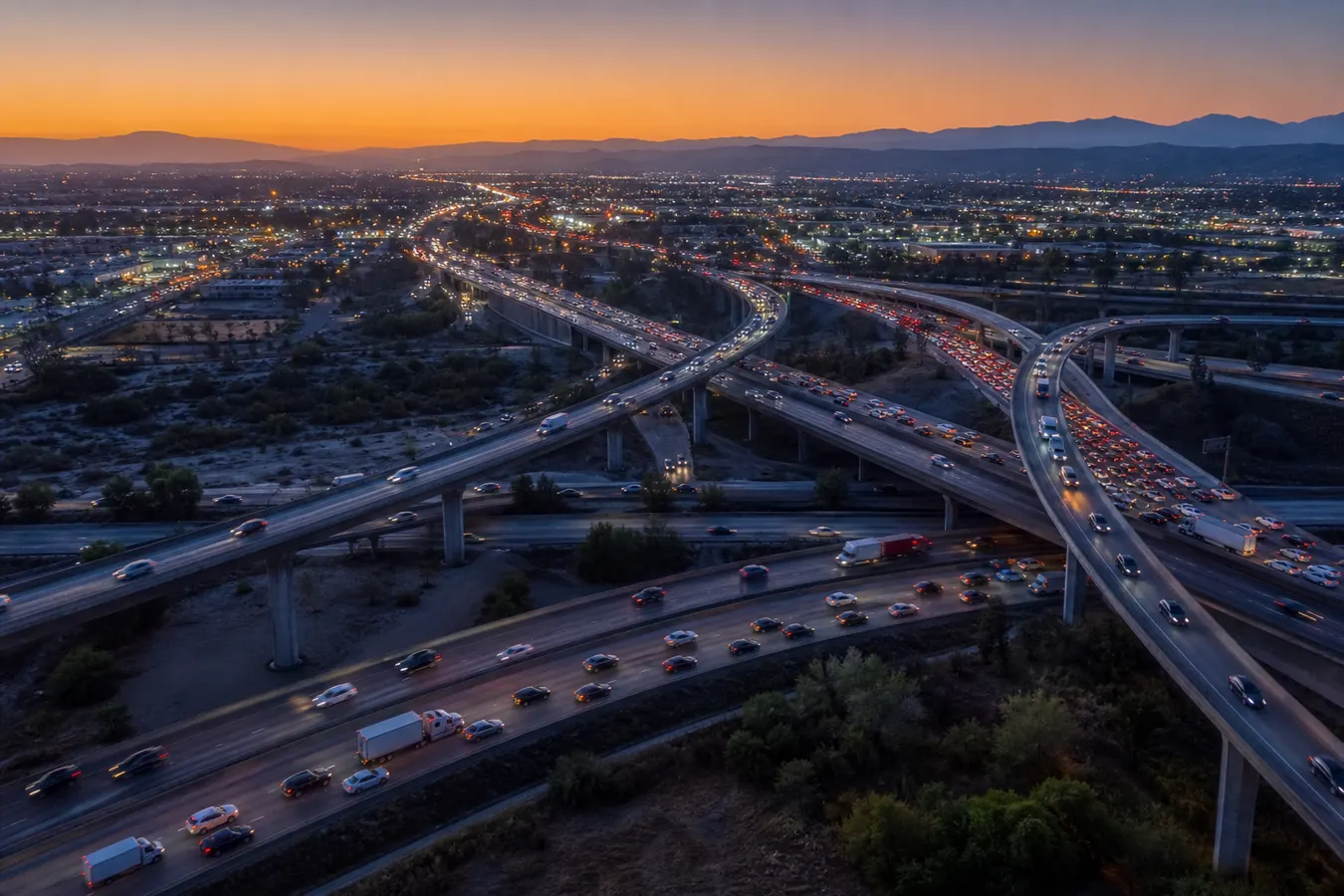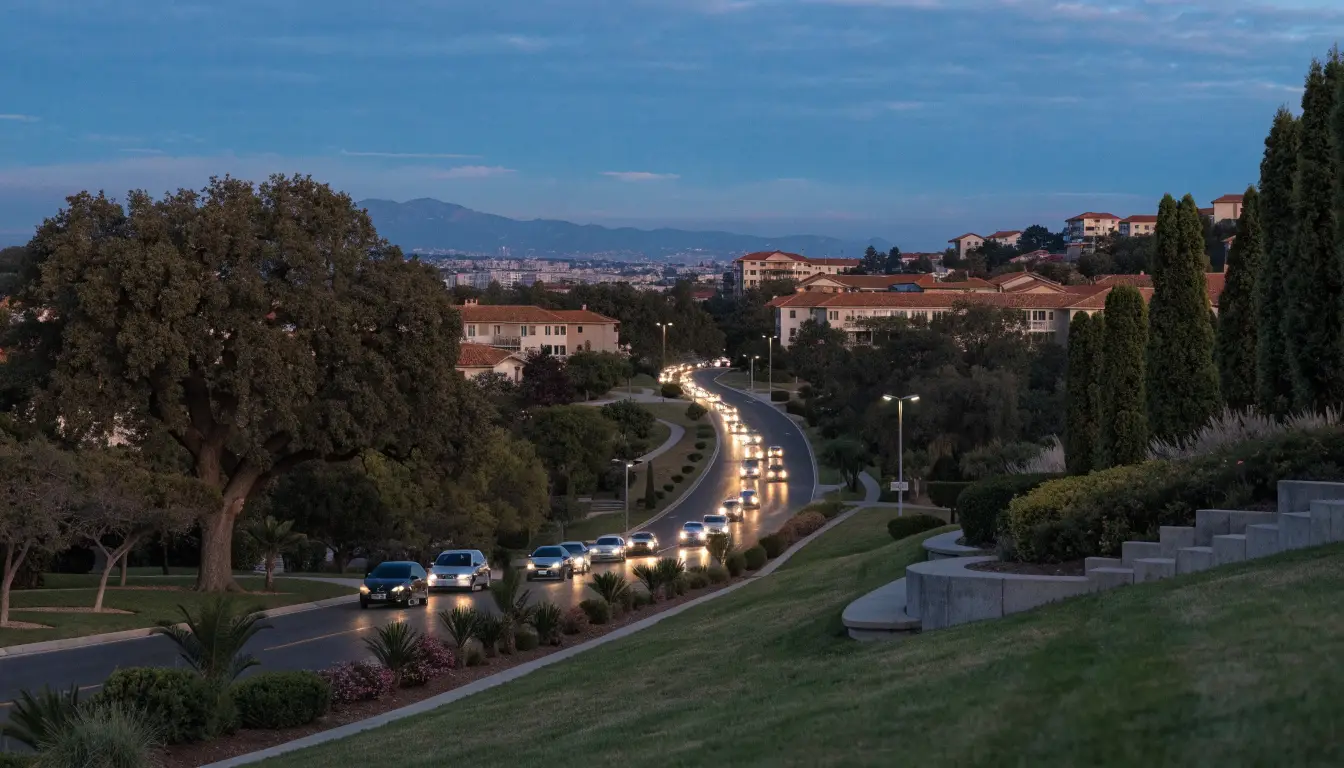
What this south end is
Orangecrest and the Mission Grove edge are master-planned, not citrus-grid. Alessandro and Van Buren are the wide connectors toward the rest of the city and the 91. School calendars and Saturday errand traffic share those signals. Woodcrest and Lake Mathews sit south as adjacent unincorporated — mention them if that is where you were going; do not call those streets “in Riverside” if the crash was outside the city line.
How these wrecks get argued
Rear-ends at a long, fast arterial signal. Lefts across Alessandro or Van Buren with a visibility screen from a first-lane waver. Pad mouths at south-end retail. EDR data is especially useful here because “I had room at that speed” is a number or it is not.
Reports and treatment
City streets: Riverside PD. A 91 crash after you left Orangecrest is CHP. Treatment may be Parkview, Kaiser, or RCH depending on severity and which way the ambulance rolled. File the SR-1 within 10 days if anyone was injured.
First-week list
Photograph both directions of the arterial — wide streets hide how far the other car traveled. Note the shopping-pad cameras. Preserve both vehicles if speed is in dispute. Then open south-end arterial crash claims. Orangecrest and Mission Grove are the area pages; Van Buren also ties this post to the La Sierra commute file if you were heading west.