Why a crosstown arterial produces these files
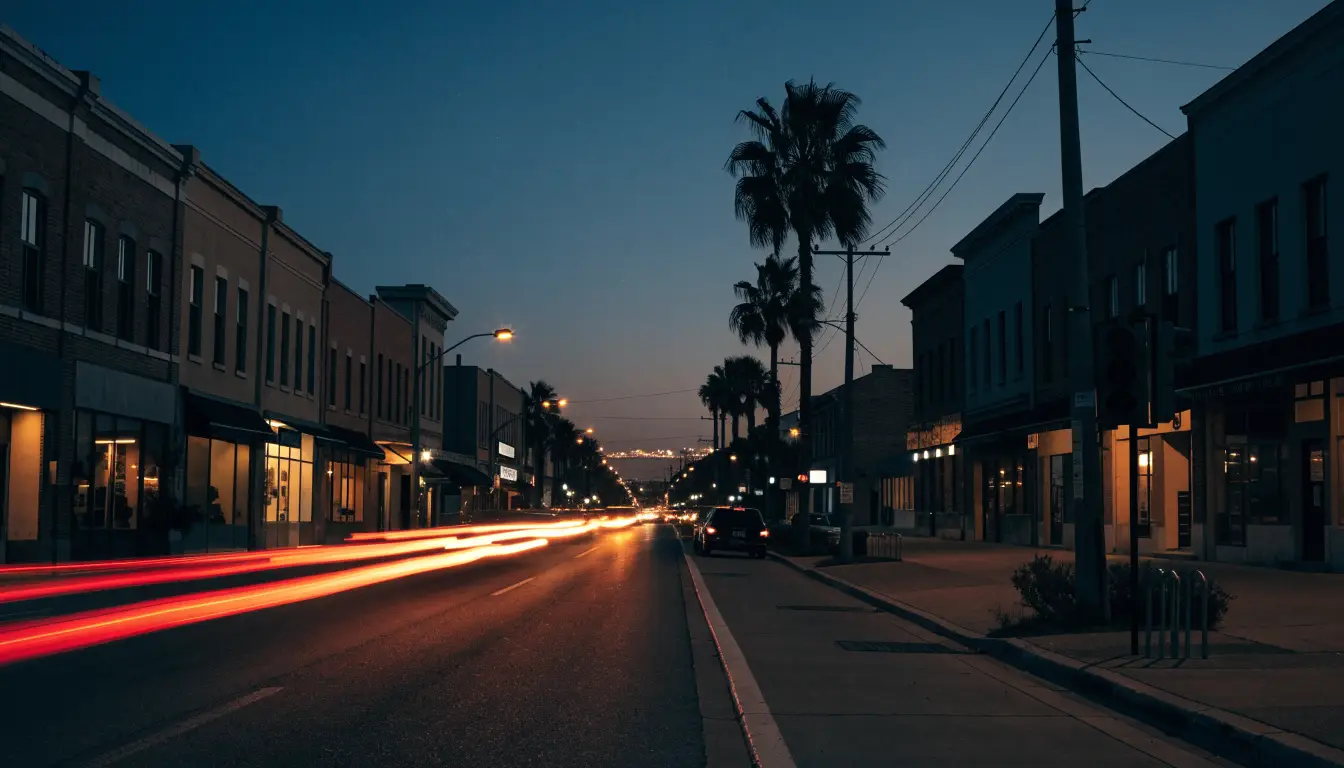
Magnolia carries crosstown volume at arterial speed past frequent driveways and a signal every so often. Through traffic and turning traffic share the same paint. A two-second phone glance covers a lot of intersection. The Parent Navel Orange Tree at Magnolia and Arlington is how locals place the historic south-central stretch; it is a landmark, not a crash tally.
The fault patterns
Signal rear-ends: following distance versus a stale yellow. EDR brake data settles a surprising number of “they stopped short” stories.
Pocket lefts: the turning driver generally owes the yield. “The first lane waved me” is context, not a defense, when the next lane arrives.
Lot mouths: half private, half public right-of-way, ordinary negligence either way — with the business camera often pointed at the exact conflict.
Who investigates, where you are treated
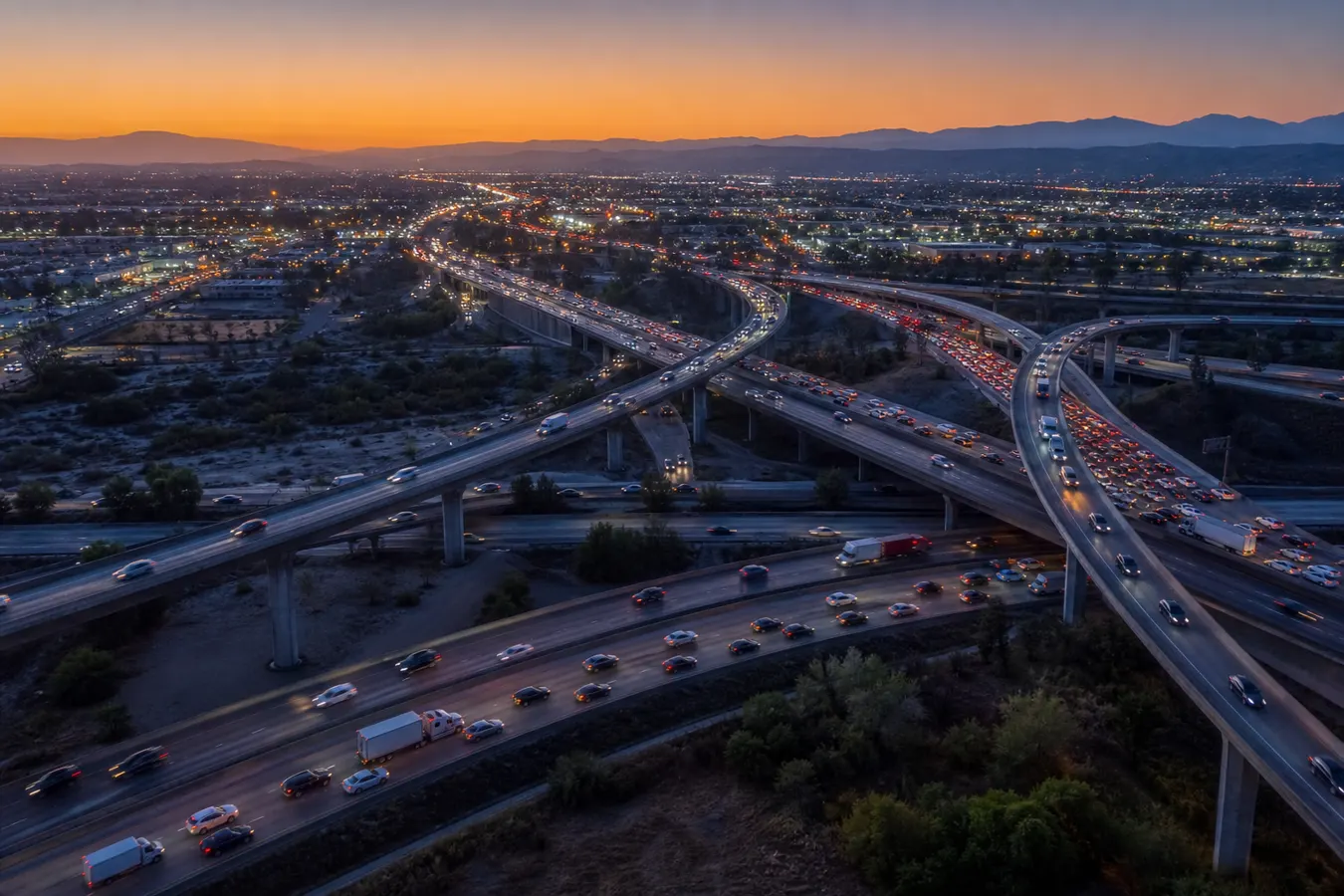
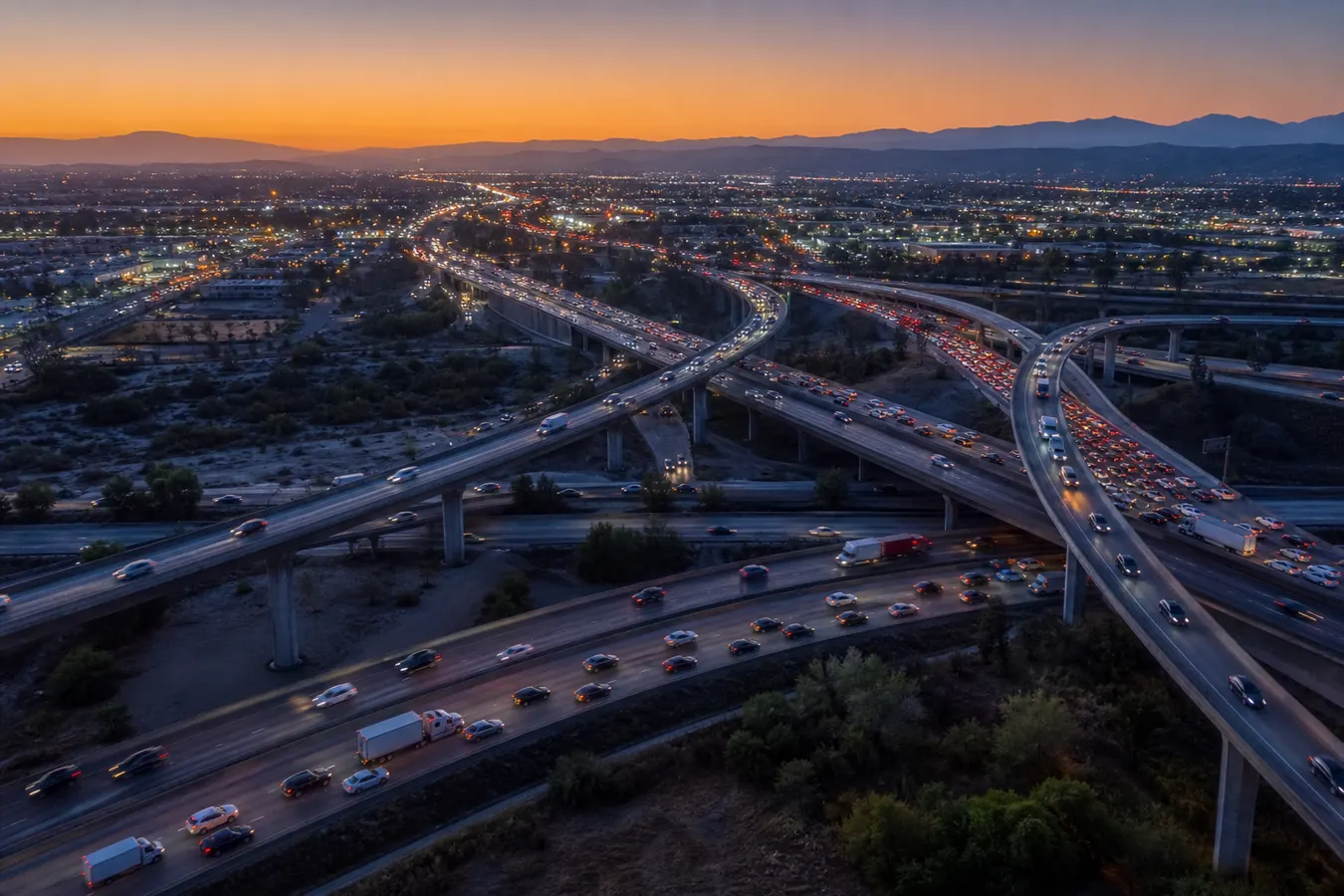
City pavement is typically Riverside Police. The 91 ramps off this spine become CHP. West-side injuries often go to Parkview; downtown-adjacent trauma goes to RCH. Do not give the other insurer a recorded guess about who had the green.
This week’s list
Photograph the signal heads and skid marks before the next cycle of traffic erases them. Note which storefronts face the scene. File the SR-1 within 10 days if anyone was injured. Then open a Magnolia corridor injury claim inside the camera window — Magnolia Center and Arlington files live on this street, not on a generic “city arterial” template.